In This Guide 9 sections
- Why Glass Choice Drives Energy Efficient Windows
- Toughened and Tempered Glass Windows
- Low-E Glass for Heat and Glare Control
- Double and Triple Glazed Windows
- Frosted and Frameless Glass for Privacy
- Matching Glass to Room and Orientation
- Comparing Glass Types for Windows and Doors
- Where to See These Glass Options
- Frequently Asked Questions
Energy efficient windows depend as much on the glass as on the frame, since the glass type controls how much heat, light and glare passes through a window or door. This guide compares toughened, frosted, low-e and double glazed glass so you can choose the right option for each room before your uPVC or aluminium frame is manufactured to size.
Why Glass Choice Drives Energy Efficient Windows
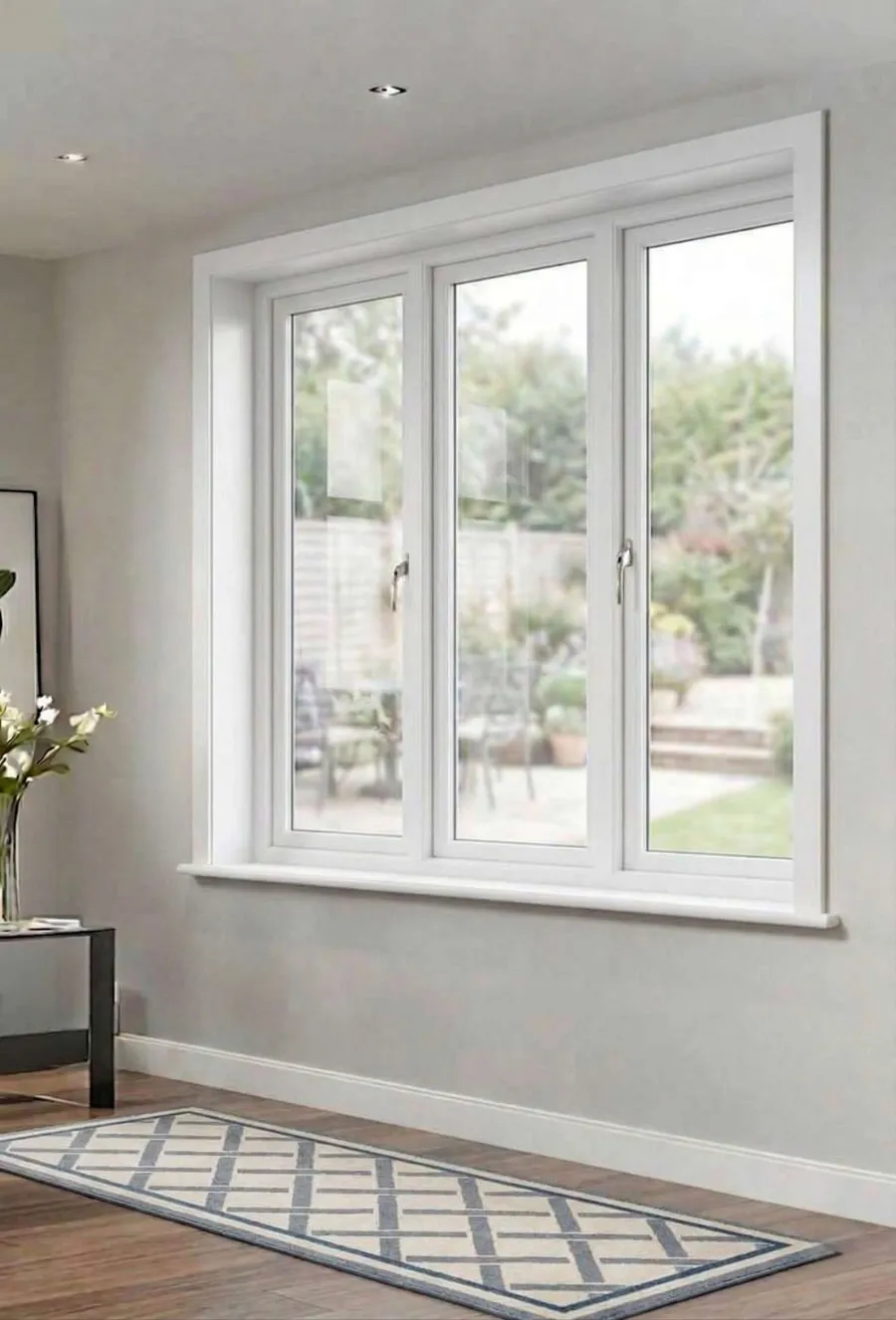
A frame only holds the glass in place, so most of the heat gain, heat loss and glare a room experiences comes through the glass panel itself. Energy efficient windows pair an airtight uPVC or aluminium frame with a glass type suited to that room's sun exposure, whether that means a coated pane on a west-facing wall or plain clear glass on a shaded side. Window glazing choices made at the ordering stage are far easier to get right than trying to fix a room that feels too hot or too bright after installation.
Toughened and Tempered Glass Windows
Toughened glass windows go through a controlled heating and rapid cooling process that leaves the glass under permanent internal stress, which makes it considerably harder to break with everyday knocks than standard annealed glass. When tempered glass windows do break, they crumble into small, blunt-edged pieces rather than long shards, which is why toughened or tempered glass is commonly specified for large panels, ground floor windows and doors near balconies or stairs. A toughened glass skylight follows the same principle, since an overhead pane needs to resist impact from debris or hail without shattering downward.
Low-E Glass for Heat and Glare Control
Low e glass carries a microscopically thin coating that reflects a portion of infrared heat while still letting visible light through, which helps keep a room cooler in summer without darkening it like a tinted film would. Low e glass windows are especially useful on walls that face direct afternoon sun, where plain glass would otherwise let in a lot of radiant heat along with the daylight. The coating sits inside the glass unit itself, so it does not wear off the way a film applied to the surface eventually can.
Double and Triple Glazed Windows
Double pane windows and a double glass window describe the same construction: two sheets of glass with a sealed layer of air, or sometimes an inert gas, trapped between them, and that trapped layer resists heat transfer better than a single sheet on its own. Double pane glass also cuts down on condensation forming on the inside face during cold mornings, since the inner pane stays closer to room temperature. Triple glazed windows add a third pane and a second sealed gap for even more insulation, though the extra weight and thickness mean they suit larger statement openings more than every window in a home. A triple pane windows unit is heavier to handle during installation, so frame reinforcement is checked before it is specified. By contrast, single pane windows are the traditional annealed glass fitted in older buildings, with no coating and no sealed air gap, which is why replacing them is one of the most common upgrades homeowners ask for.
Frosted and Frameless Glass for Privacy
A frosted glass door uses an acid-etched or sandblasted surface that scatters light instead of transmitting a clear image, which suits bathrooms, utility doors and any opening where privacy matters more than a view through. Frameless glass doors take a different approach, using thick toughened glass panels with minimal or no visible frame around the edges, which gives a clean, open look for internal partitions or shower enclosures rather than external windows.
Matching Glass to Room and Orientation
Not every room needs the same glass. A living room with a large west-facing window benefits from low e glass or double glazing to manage heat, a bathroom benefits from a frosted glass door for privacy, and a balcony door exposed to monsoon rain benefits from toughened glass for durability. Our team discusses room orientation and usage during the site visit so the glass specified for each opening actually matches how that room is used through the day.
Comparing Glass Types for Windows and Doors
The table below sets out how the main glass types differ, without listing any thickness specification or performance rating.
| Glass Type | Main Benefit | Typically Used For |
|---|---|---|
| Toughened glass | Higher impact resistance, breaks safely | Large panels, ground floor doors |
| Low-e glass | Reduces heat gain without tinting | West and south-facing windows |
| Double glazed glass | Sealed air gap cuts heat transfer | Bedrooms, living rooms |
| Triple glazed glass | Extra insulating layer | Statement or feature windows |
| Frosted glass | Privacy without blocking light | Bathrooms, utility doors |
Where to See These Glass Options
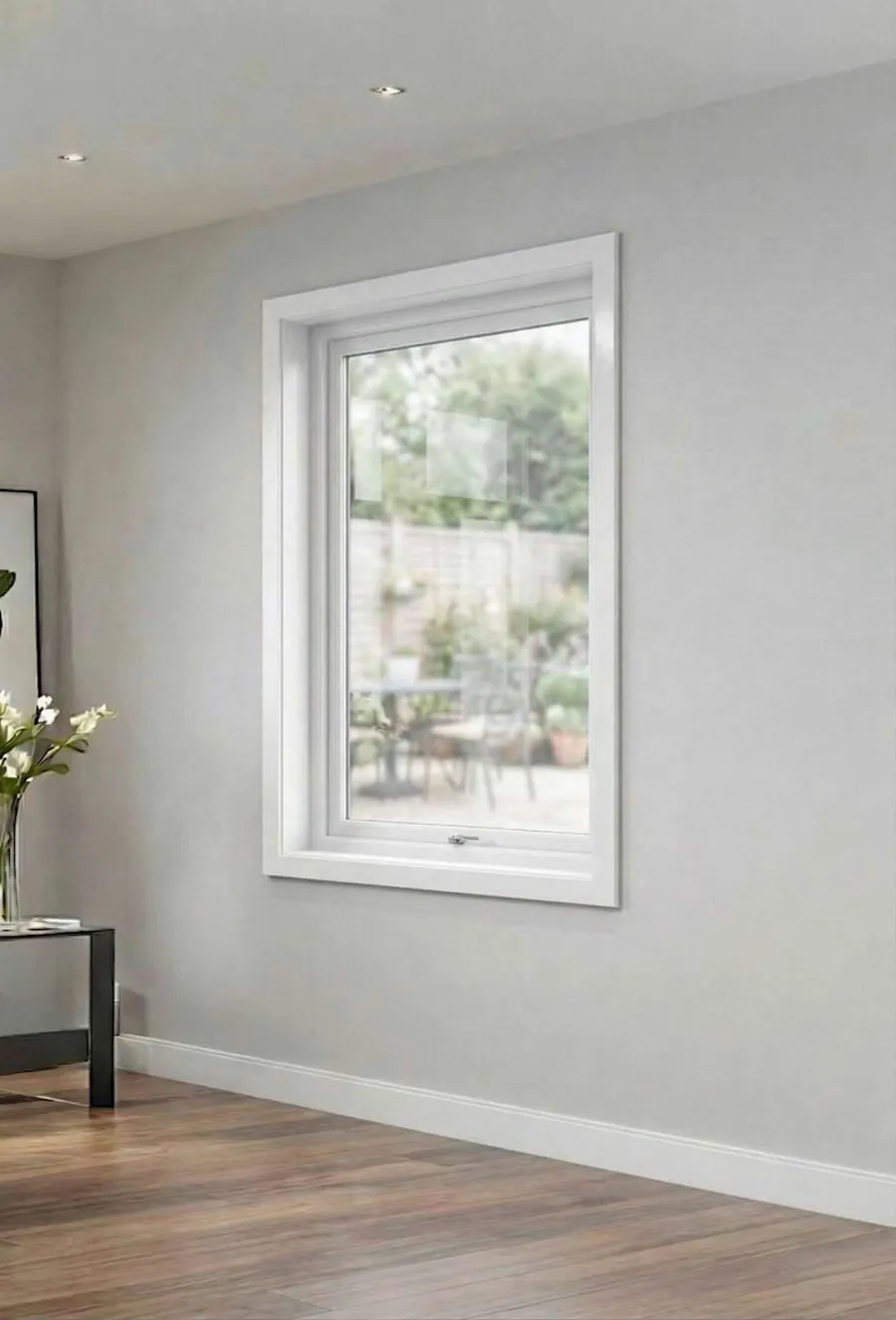
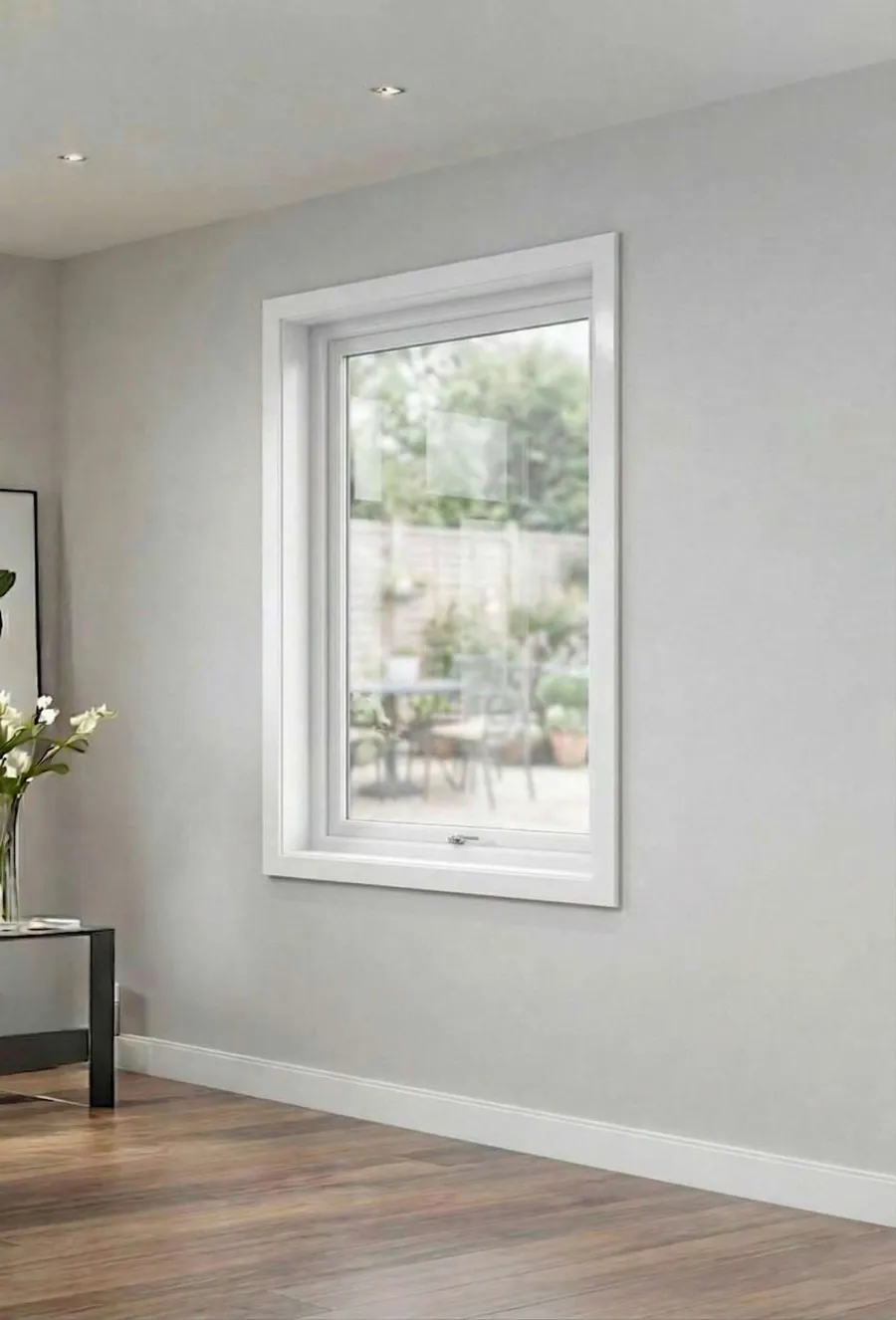
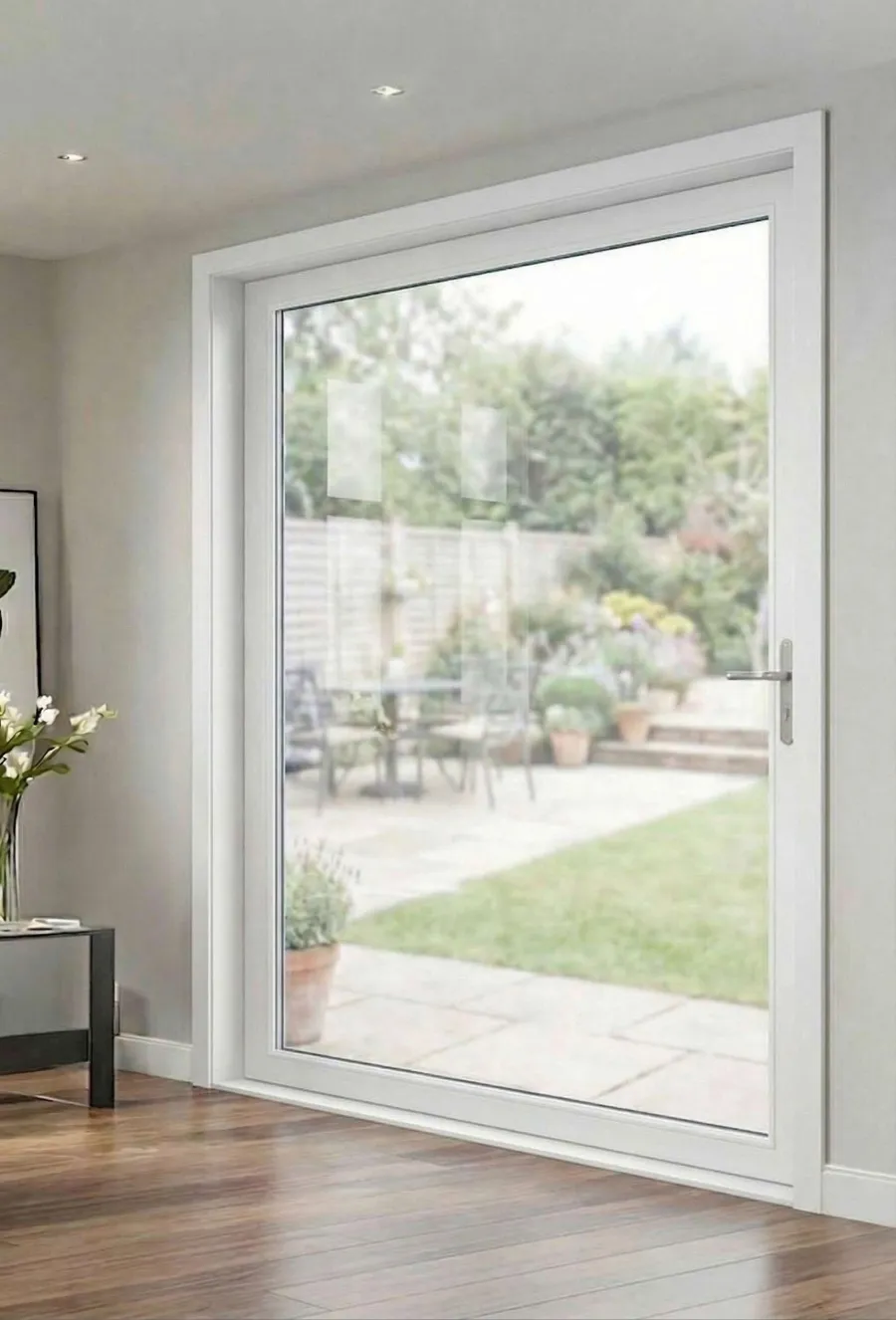
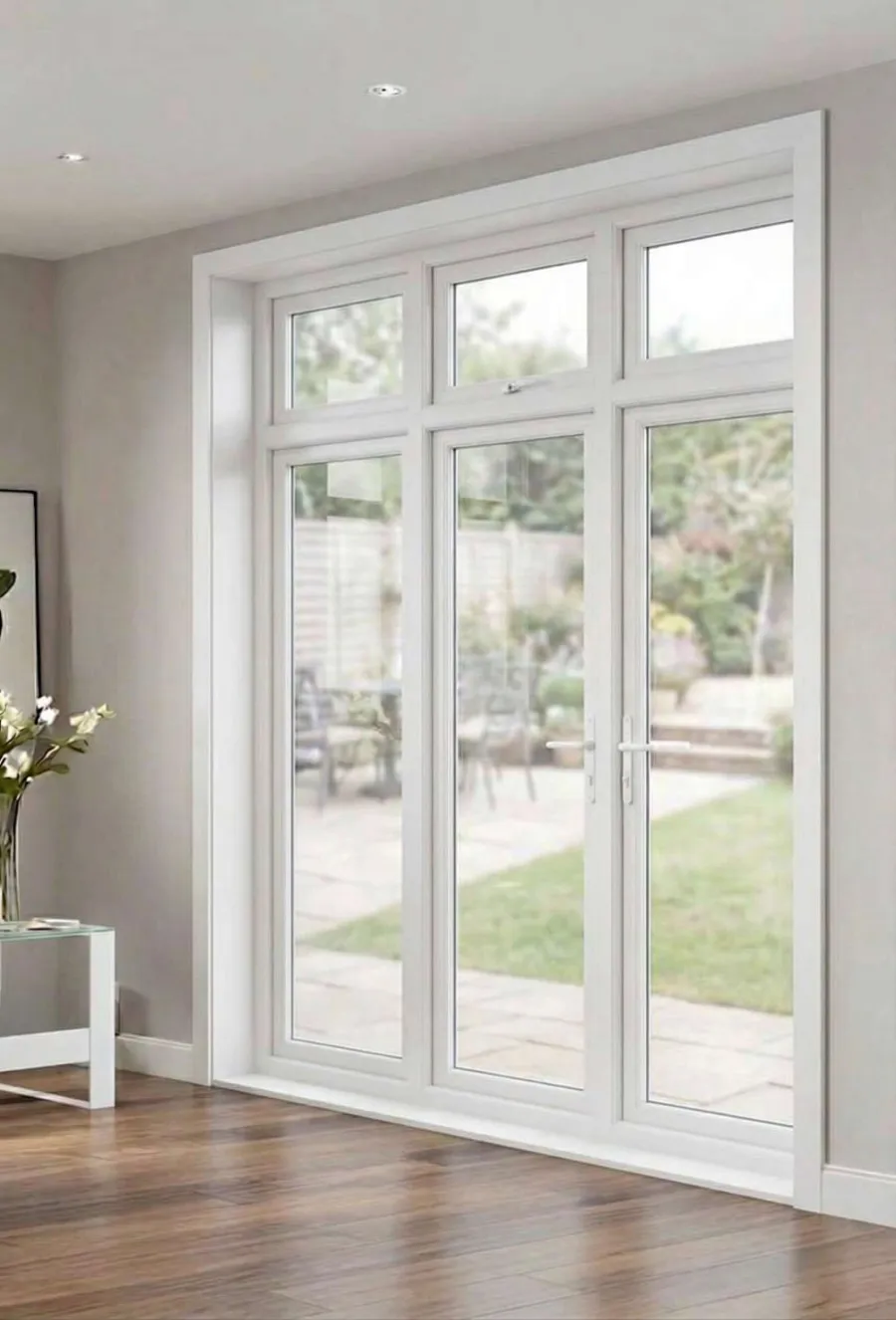
Most of these glass types can be specified across our window and door ranges. Browse our glass window range for plain and coated glass panels, our UPVC glass window range for framed uPVC units, and our glass doors and upvc glass doors ranges for frosted or toughened entry and internal doors. Where a window never needs to open, our upvc fixed windows can be specified with any of the glass types above. For sash styles and frame options beyond glass, read our guide on types of windows, and if noise rather than heat is the concern, see our separate guide to soundproof windows, since sealing and frame design matter more than glass alone for noise. Once you have picked a glass type, our guide on window & door colours and finishes covers how the frame colour pairs with clear or frosted glass.
Frequently Asked Questions
What is the difference between toughened and tempered glass windows?
Toughened glass and tempered glass windows refer to the same manufacturing process of controlled heating and rapid cooling, so the terms are generally used interchangeably. Both describe glass that resists everyday impact better than standard glass and breaks into small, blunt pieces if it does shatter.
Does low e glass make a room darker?
No, low e glass is designed to stay visually clear while its coating manages infrared heat, so a room fitted with low-e glass looks the same as one with plain glass rather than appearing tinted or shaded.
Is double glazing worth it for every window?
Double glazing helps most on windows exposed to strong sun, road noise or wide temperature swings between day and night. A shaded, sheltered window may not need it as urgently as one on a sun-facing or street-facing wall.
Can frosted glass be used on windows as well as doors?
Yes, frosted glass works on bathroom or utility windows just as well as on doors, since it lets daylight through while blocking a clear view from outside. It is a common choice for ground floor windows near a boundary wall.
Why do some doors use frameless glass?
Frameless glass doors are chosen mainly for appearance, since removing the visible frame creates a cleaner, more open look for internal partitions and shower enclosures. The glass itself is toughened to make up for the lack of a supporting frame.
Should skylight glass be different from window glass?
Yes, a toughened glass skylight is specified rather than ordinary glass because an overhead pane faces a greater risk from falling debris, branches or hail, and toughened glass breaks into small pieces rather than falling as large shards.
Ready for an exact price?
Send us your opening sizes and requirements. We will suggest the right system and share a clear quotation.