In This Guide 9 sections
- How uPVC Windows and Doors Get Their Colour
- How Aluminium Windows and Doors Get Their Colour: Powder Coating and Anodizing
- Popular Colours for uPVC Windows and Doors
- Popular Colours for Aluminium Windows and Doors
- Comparing uPVC and Aluminium Colour Finishes
- Matching Window and Door Colour to Your Home's Style
- Single Colour vs Dual Colour Frames
- Caring for a Coloured Frame
- Frequently Asked Questions
Coloured upvc windows let you match a frame to your home's exterior instead of settling for plain white, using a foil laminate applied over the uPVC profile during manufacturing. Aluminium windows and doors take colour differently, through powder coating or anodizing, and both routes give a finish that does not need repainting.
How uPVC Windows and Doors Get Their Colour
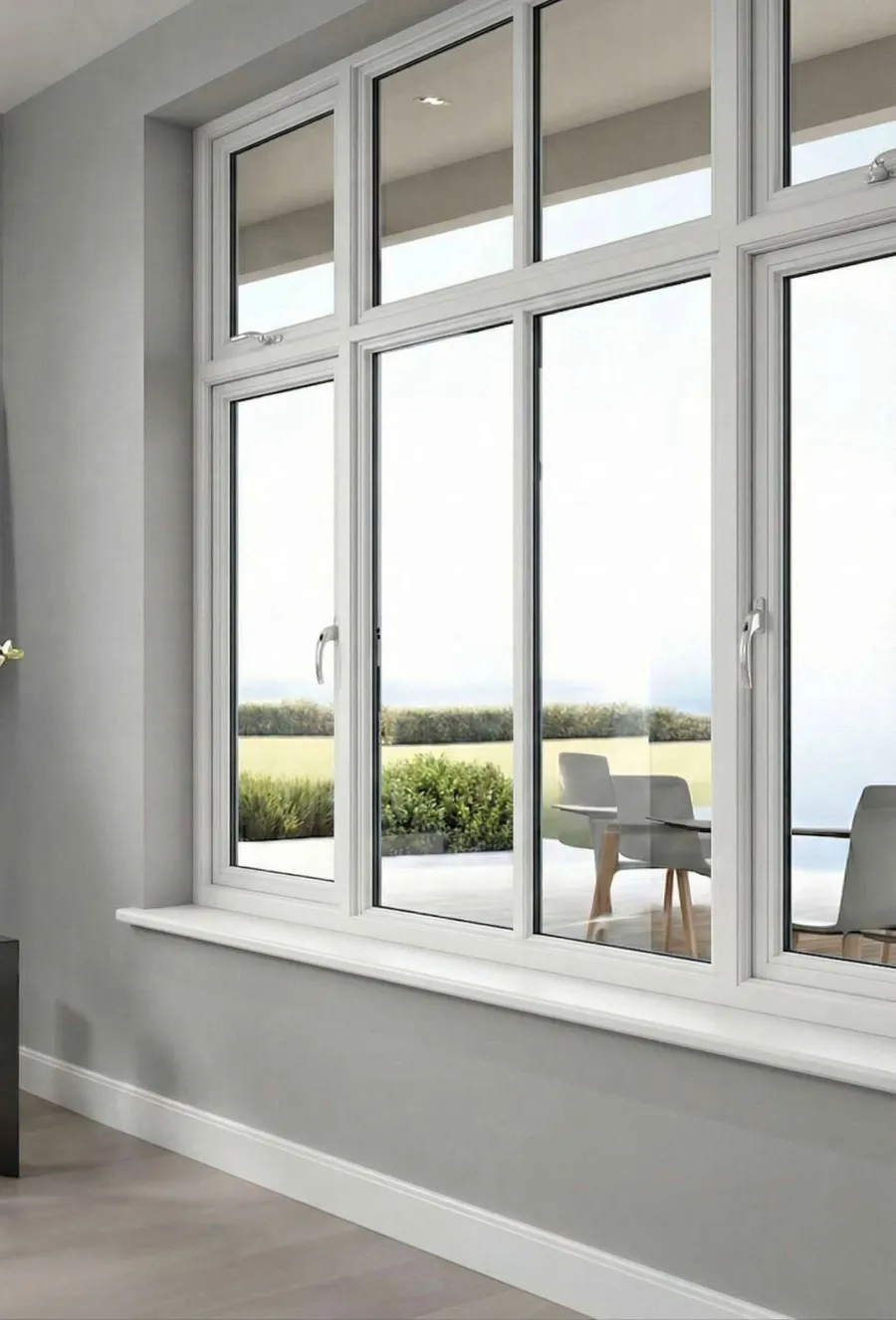
A Upvc Window starts out as a white or grey profile, and colour is added by laminating a coloured or wood-effect foil onto the visible surfaces before the sashes are assembled. This lamination process is what makes coloured upvc windows and coloured upvc doors possible without painting the plastic itself, and the foil is bonded on rather than sprayed, so it does not flake or need touching up over time.
How Aluminium Windows and Doors Get Their Colour: Powder Coating and Anodizing
Aluminium takes colour in two main ways. Powder coated aluminium windows are coated with a dry powder finish that is then cured under heat, giving an even, hard-wearing colour across every profile, while anodized aluminum windows go through an electrochemical process that thickens the metal's natural oxide layer to create a finish that is part of the metal itself rather than a coating sitting on top of it. Both approaches are used across our Aluminum Windows and Aluminum Doors ranges depending on the colour and finish you choose.
Popular Colours for uPVC Windows and Doors
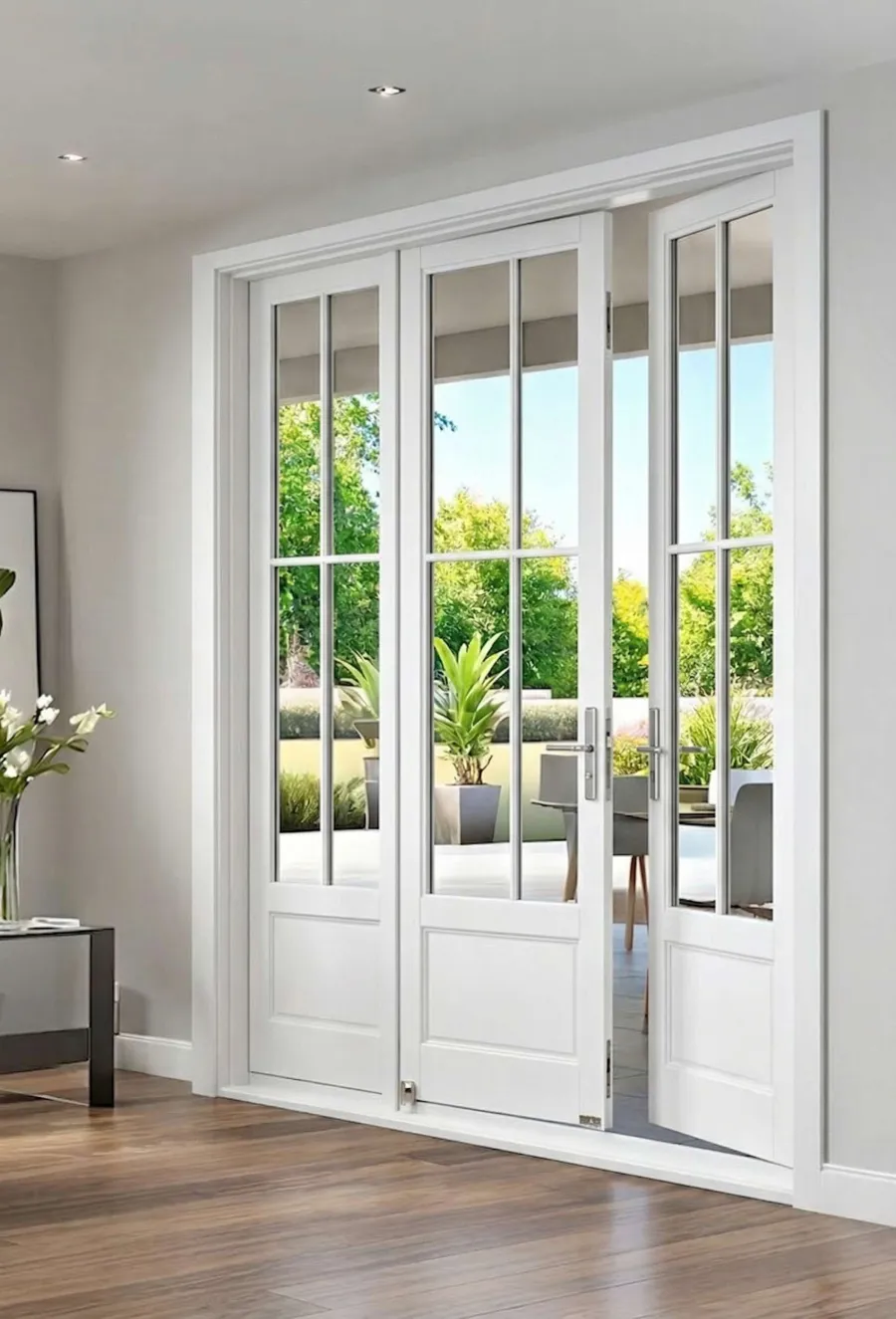
Black upvc windows have become a common choice for a bold, modern frame that stands out against light-coloured walls, while a white upvc door or white pvc door remains the most requested option for a clean, classic entrance that suits almost any facade. Brown upvc windows, usually in a wood-effect foil, suit homes that want the warmth of a timber look without the upkeep timber needs. Coloured upvc doors are ordered less often than coloured windows but follow the same lamination process, so a colour available on a window frame can generally be matched on the door beside it.
Popular Colours for Aluminium Windows and Doors
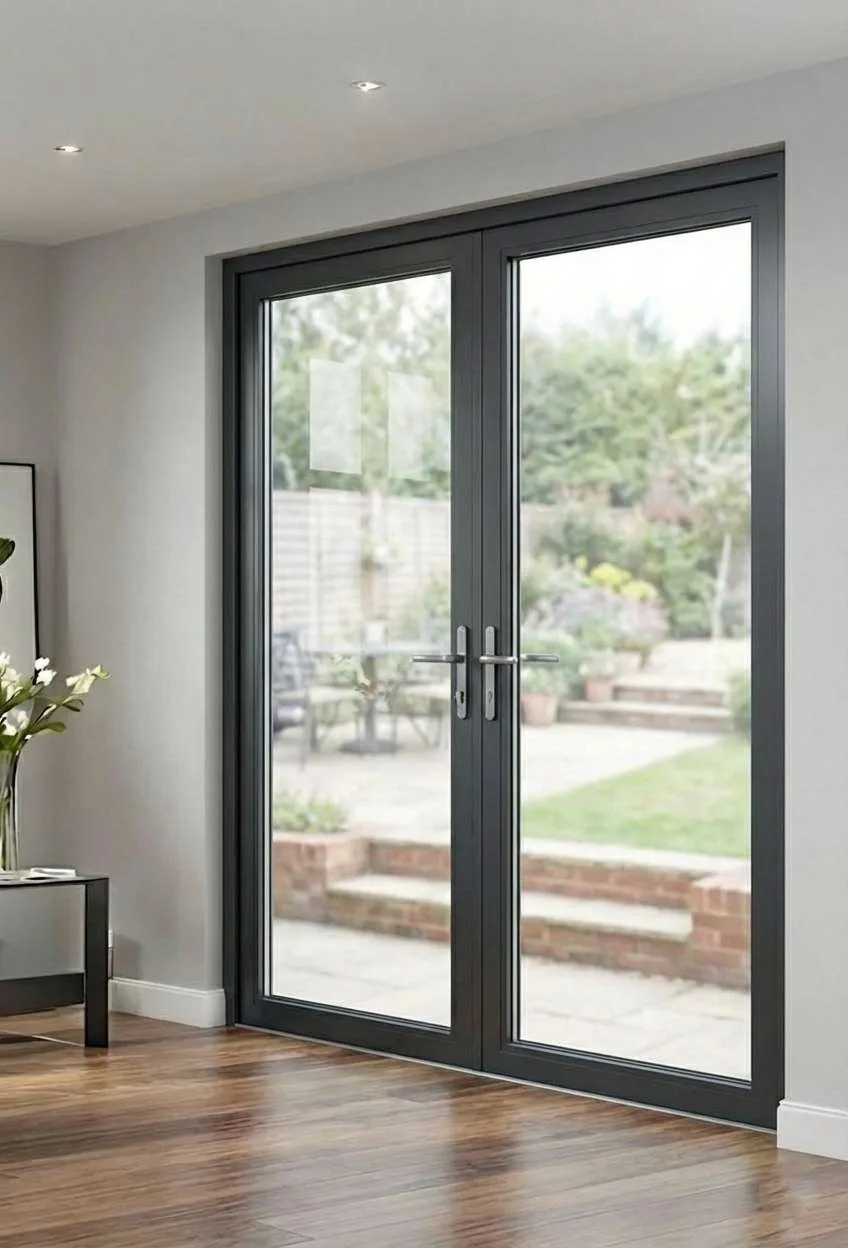
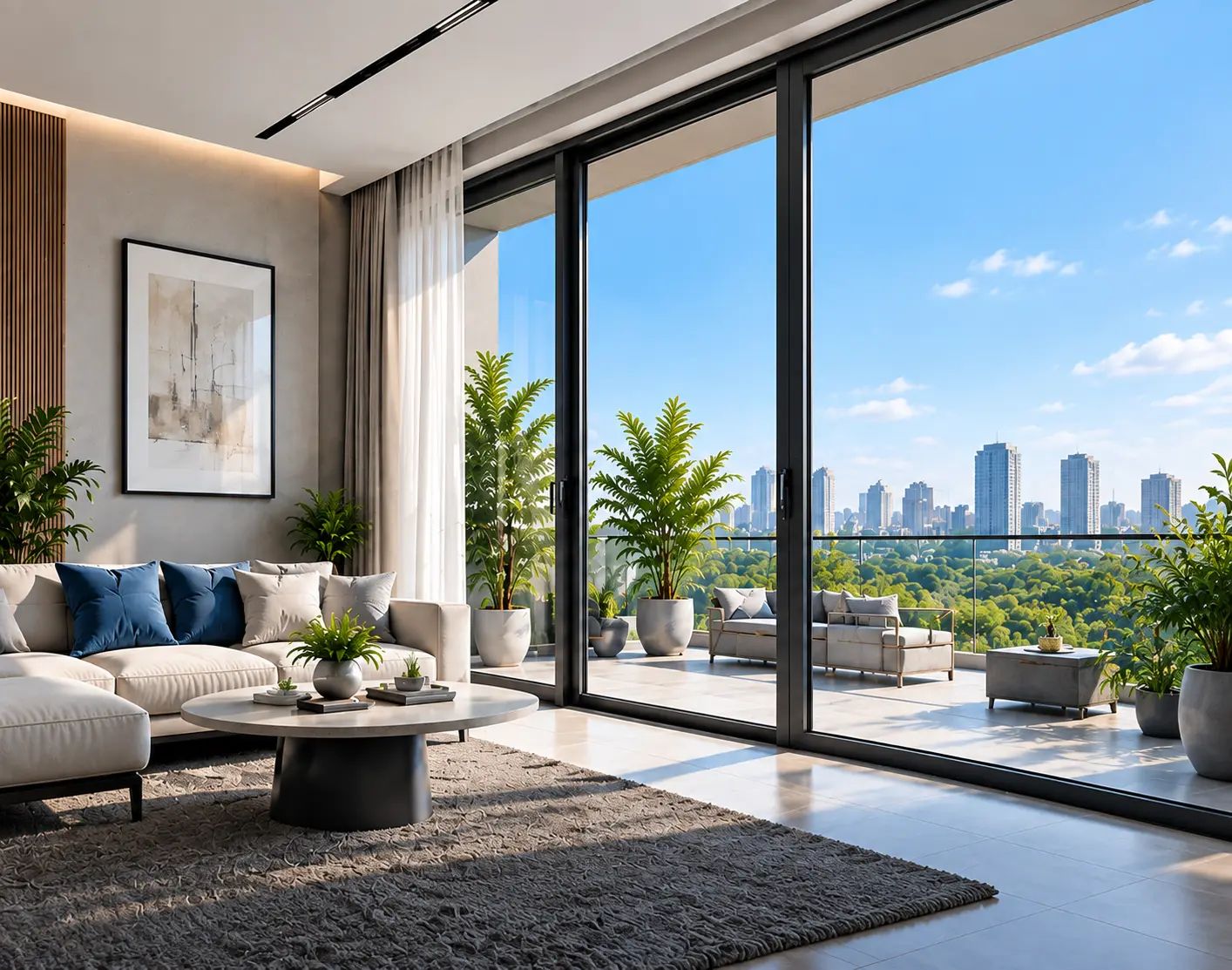
White aluminium windows and grey aluminium windows are common choices for a neutral frame that sits quietly against most wall colours, while black aluminium windows and black aluminium doors give a sharper, more defined outline that many contemporary homes prefer. For a sliding wall of glass, black aluminium sliding doors are a popular way to carry that same dark frame across a wider opening such as an Aluminium Sliding Door leading onto a balcony or garden.
Comparing uPVC and Aluminium Colour Finishes
The table below summarises how each material takes colour and what that means for the finished frame.
| Material | How Colour Is Applied | Typical Colours |
|---|---|---|
| uPVC | Laminated foil bonded to the profile | White, black, brown or wood-effect |
| Aluminium, powder coated | Dry powder finish cured under heat | White, grey, black and custom shades |
| Aluminium, anodized | Electrochemical finish built into the metal surface | Natural metallic and darker tones |
Matching Window and Door Colour to Your Home's Style
Frame colour works alongside window shape to set the character of a facade, which is why colour is usually chosen together with the window design rather than as an afterthought. Our Window Designs for Home guide looks at shape and layout by room and home style, and pairing that with a frame colour, whether a plain white upvc door or a set of black aluminium windows, is what ties an elevation together. For background on the material itself, our What Is uPVC? uPVC vs PVC guide explains what the profile is made from before colour is ever added.
Single Colour vs Dual Colour Frames
Many homeowners choose a dual colour frame, where the outward-facing side carries a bolder shade such as black or grey while the room-facing side stays white or another light colour that suits the interior. This is possible on both uPVC and aluminium frames and does not change how the window or door opens or seals, only the foil or coating applied to each face. Shop and office fronts often take this further with darker frames throughout; our Aluminium Shop Fronts, Louvres & Pivot Doors guide covers colour and finish choices for that kind of aluminium storefront work.
Caring for a Coloured Frame
A coloured uPVC or aluminium frame does not need painting at any point in its life, since the colour is part of the foil or coating rather than a surface layer that wears off. Regular cleaning with a soft cloth and mild soap keeps both laminated and powder coated or anodized finishes looking even, and dark colours in particular show dust and water marks more readily than white, so a quick wipe after heavy rain keeps a black or grey frame looking sharp.
Frequently Asked Questions
Do coloured frames cost more than plain white ones?
Colour can affect cost since laminating a foil or applying a powder coat is an extra manufacturing step compared with a standard white profile. The exact difference depends on the colour, the size of each opening and the number of windows or doors involved, so our team includes it in the itemised quote after measuring your requirement.
Can I mix black aluminium windows with white upvc doors on the same house?
Yes, many homes combine materials and colours across different openings, such as darker aluminium on a sliding balcony door and white uPVC on smaller bedroom windows. It helps to plan the combination up front so the finished elevation looks intentional rather than mismatched.
What is the difference between powder coated and anodized aluminium?
Powder coating applies a dry coloured powder that is cured under heat to sit on top of the aluminium surface, while anodizing changes the metal's own surface layer through an electrochemical process. Both resist wear well, but anodizing generally suits metallic and natural tones while powder coating covers a wider colour range.
Will a black or dark frame fade over time?
Both laminated uPVC foils and powder coated or anodized aluminium finishes are designed to hold their colour under normal outdoor exposure. Very dark colours can show surface dust and heat more visibly than lighter shades simply because of the contrast, which is a cosmetic point rather than a sign of the finish failing.
Can I choose different colours for the inside and outside of a frame?
Yes, a dual colour frame lets you pick one shade for the outward-facing side and a different one for the room-facing side, common when a bold exterior colour would feel too heavy inside a bedroom or living room. This option is available on both uPVC and aluminium ranges.
Which colour suits a small home or a narrow frontage best?
Lighter colours such as white or a soft grey aluminium finish tend to keep a small facade looking open, since dark frames can visually shrink a narrow frontage when used on every window. A single darker frame used only on the entrance door can still add contrast without that effect.
Ready for an exact price?
Send us your opening sizes and requirements. We will suggest the right system and share a clear quotation.