In This Guide 10 sections
- Window Door Types: How Each Style Opens
- Casement Windows: A Side Hung Opening Style
- Sliding Windows for Wide Openings
- Comparing Window Door Types
- Fixed Panel Windows and Tilt and Turn Windows
- Top Hung Windows and Awning Windows
- Bay Windows and Bow Windows
- Other Window Styles You May Come Across: Hopper and Transom Windows
- Doors, Rooms and Choosing the Right Window Door Style
- Frequently Asked Questions
This guide breaks down window door types by how each one opens, from casement and sliding to fixed, tilt and turn and top hung, and adds general information on styles you may see elsewhere such as awning, hopper, transom and bow windows. Knowing the opening mechanism makes it easier to match a window to a room's airflow and cleaning needs.
Window Door Types: How Each Style Opens
Window styles for home use generally fall into a handful of opening mechanisms: a sash that swings out on side hinges, a sash that slides sideways in a track, a pane that does not open at all, or a sash that tilts inward from the top before swinging fully open on its side. The names attached to these mechanisms vary, but the underlying window door mechanism is what actually decides how much air moves through a room and how easy the glass is to clean from inside.
Casement Windows: A Side Hung Opening Style
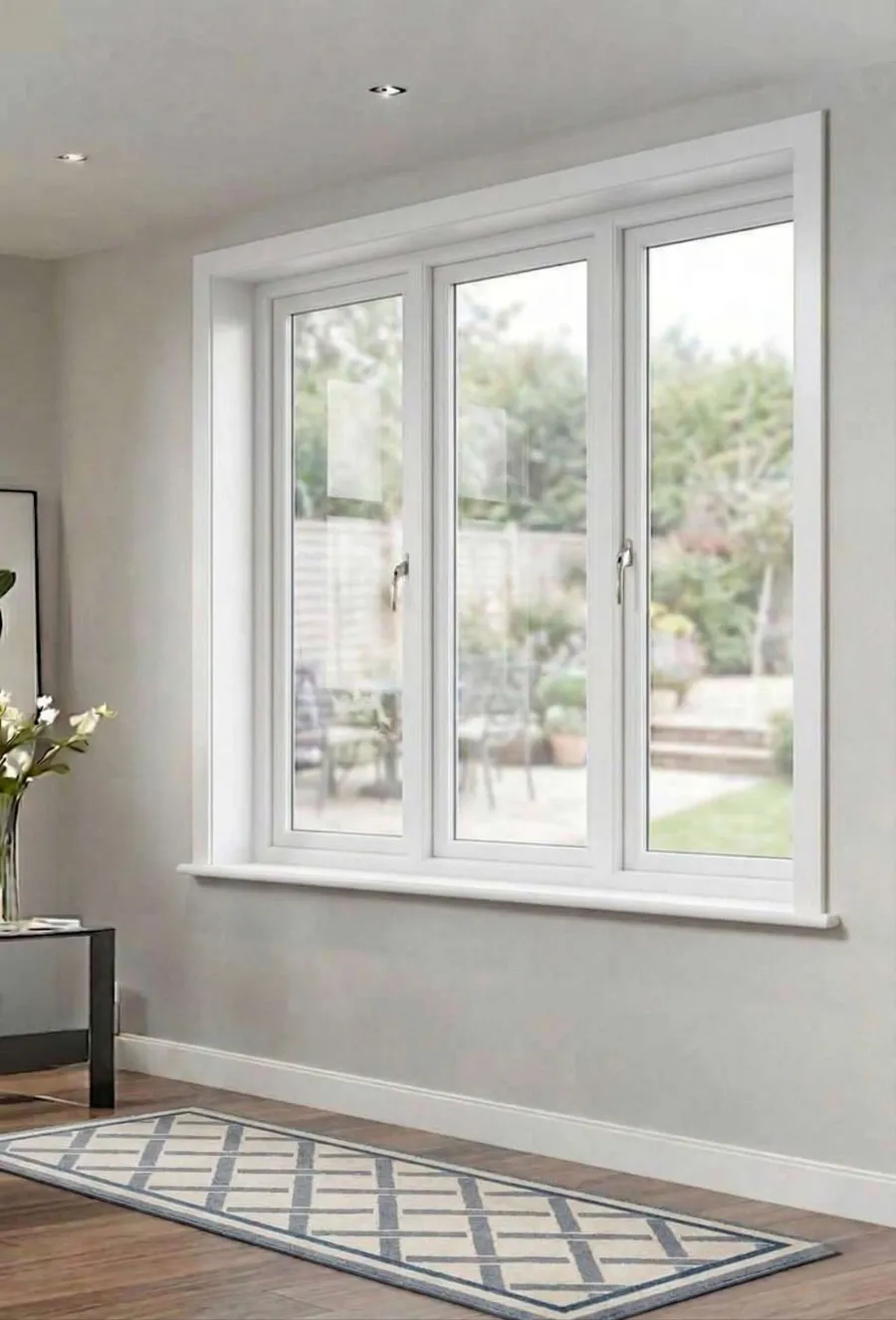
A Casement Window is hinged along one side and swings outward like a door, which is why this mechanism is also called a side hung window. Because the whole sash opens, a casement lets in more airflow than a sliding sash of the same size, and the frame seals tightly once closed. Two casement sashes set side by side in one frame, often called double casement windows, suit a wider wall where a single large sash would be heavy to operate comfortably.
Sliding Windows for Wide Openings
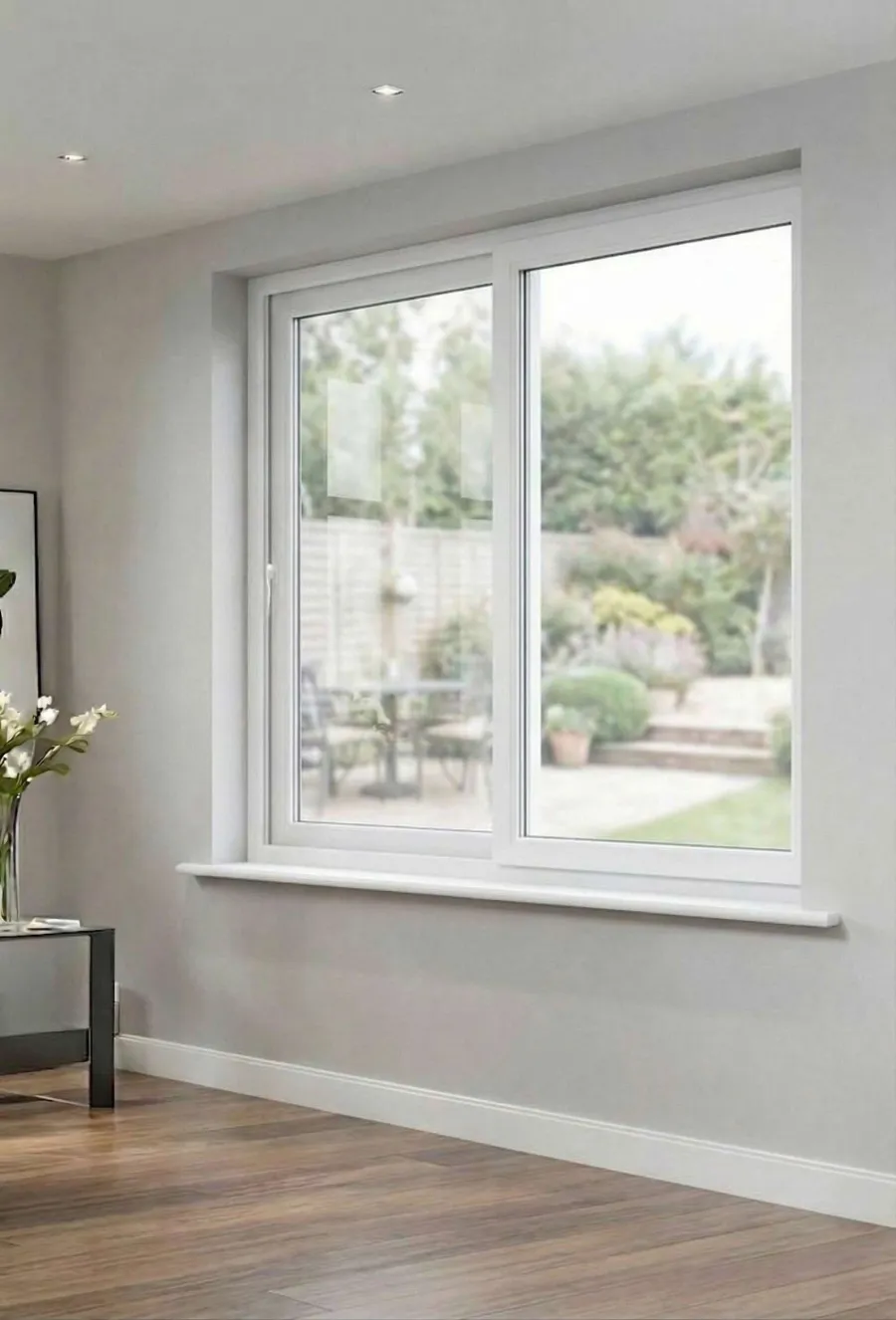
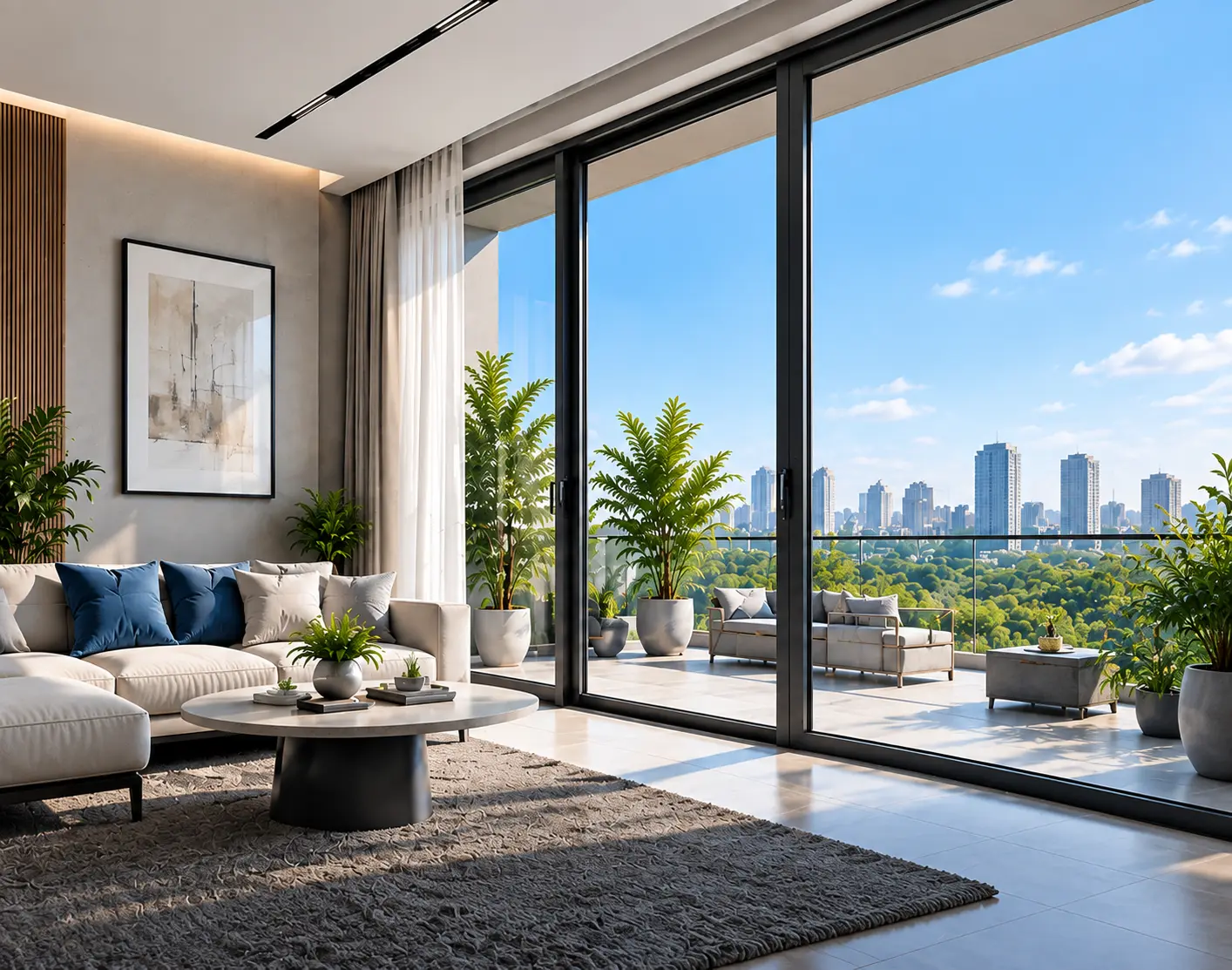
A Sliding Window moves sideways along a track instead of swinging outward, which suits a wide opening such as a balcony wall or a long living room window where an outward sash would clash with furniture or a walkway outside. Sliding windows are simple to operate day to day and need no extra clearance in front of the glass, though only half the width can stand open for airflow at any one time.
Comparing Window Door Types
The table below lines up common window door mechanisms, including a few styles that are general information only because Stay Bright does not currently manufacture them, alongside the styles our team makes and fits to size.
| Window Type | How It Opens | Available From Stay Bright |
|---|---|---|
| Casement | Hinged at the side, swings outward | Yes |
| Sliding | Slides sideways in a track | Yes |
| Fixed | Does not open, glass only | Yes |
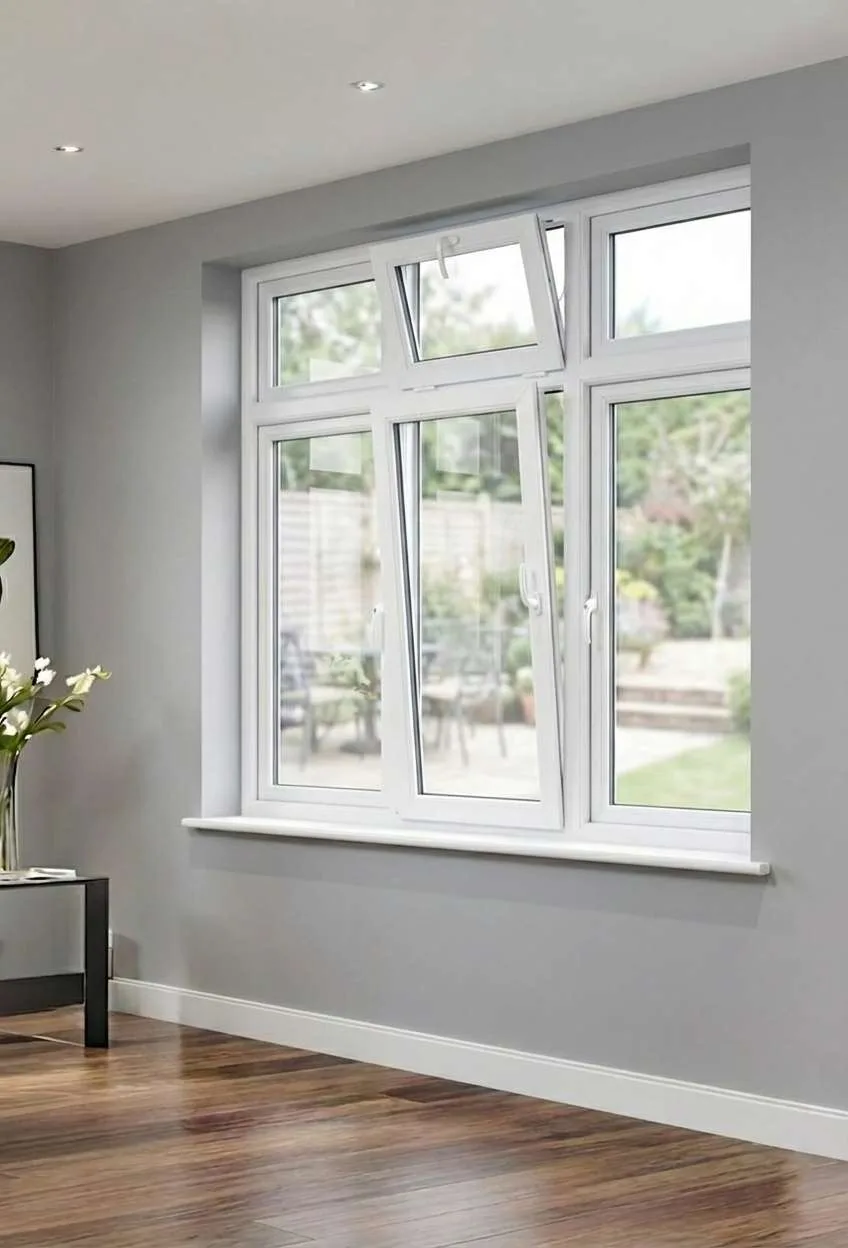
| Tilt and turn | Tilts inward at the top or swings fully in on the side | Yes |
| Top hung | Hinged at the top, opens outward | Yes |
| Bay | Angled panels project outward from the wall | Yes |
| Awning | Hinged at the top, opens outward like a small canopy | General information only |
| Hopper | Hinged at the bottom, opens inward | General information only |
| Transom | Fixed or openable panel set above a door or window | General information only |
| Bow | Several narrow panels curve outward from the wall | General information only |
Fixed Panel Windows and Tilt and Turn Windows
Fixed panel windows have no opening sash at all, so the whole frame can be filled with glass for maximum light and view, with no moving parts to maintain. Our Upvc Fixed Windows are often paired with an openable window nearby so the room still gets airflow. A Upvc Tilt and Turn Windows unit gives one sash two opening modes, tilted from the top for background ventilation or turned fully inward on its side hinges so the outer glass can be cleaned from inside the room.
Top Hung Windows and Awning Windows
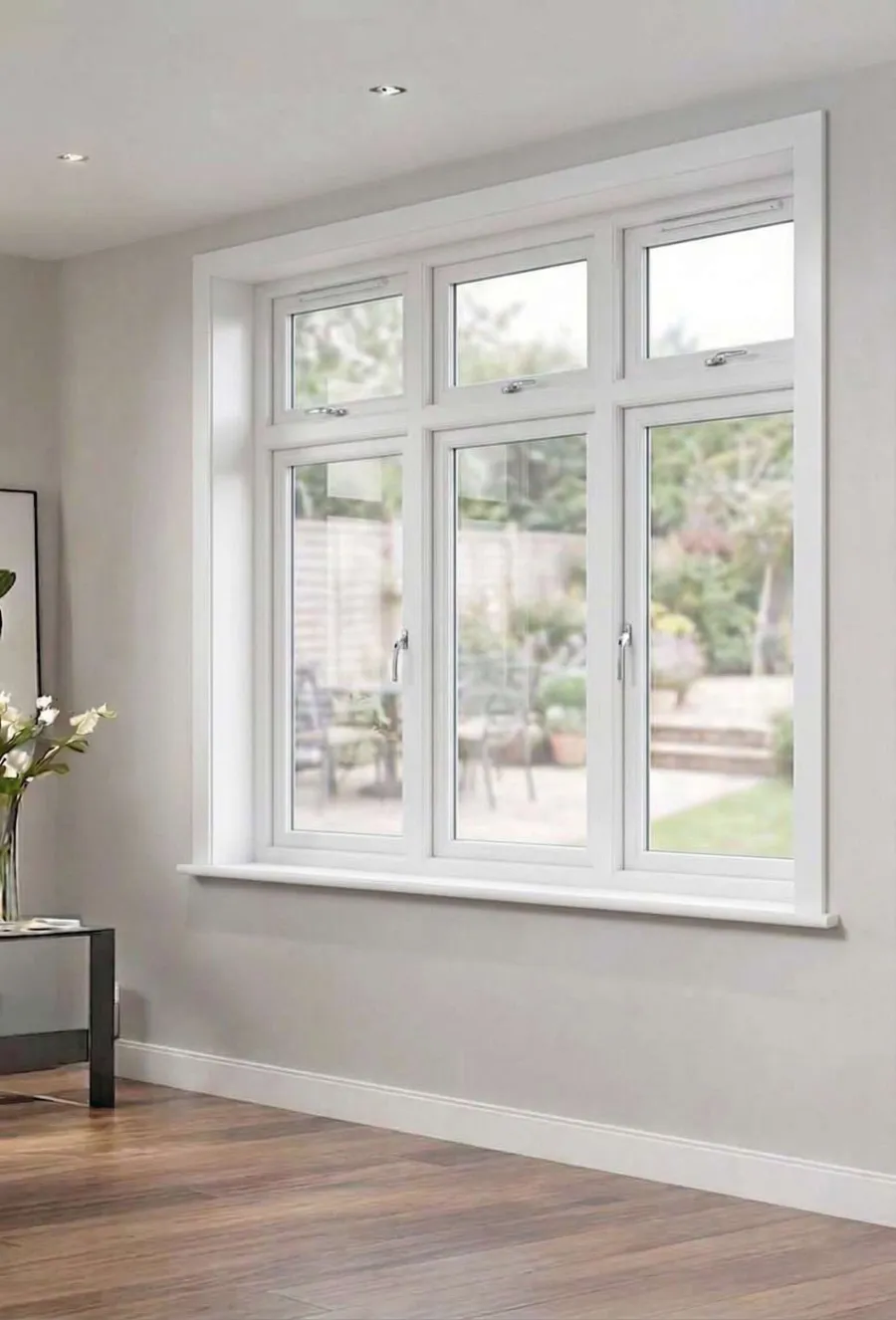
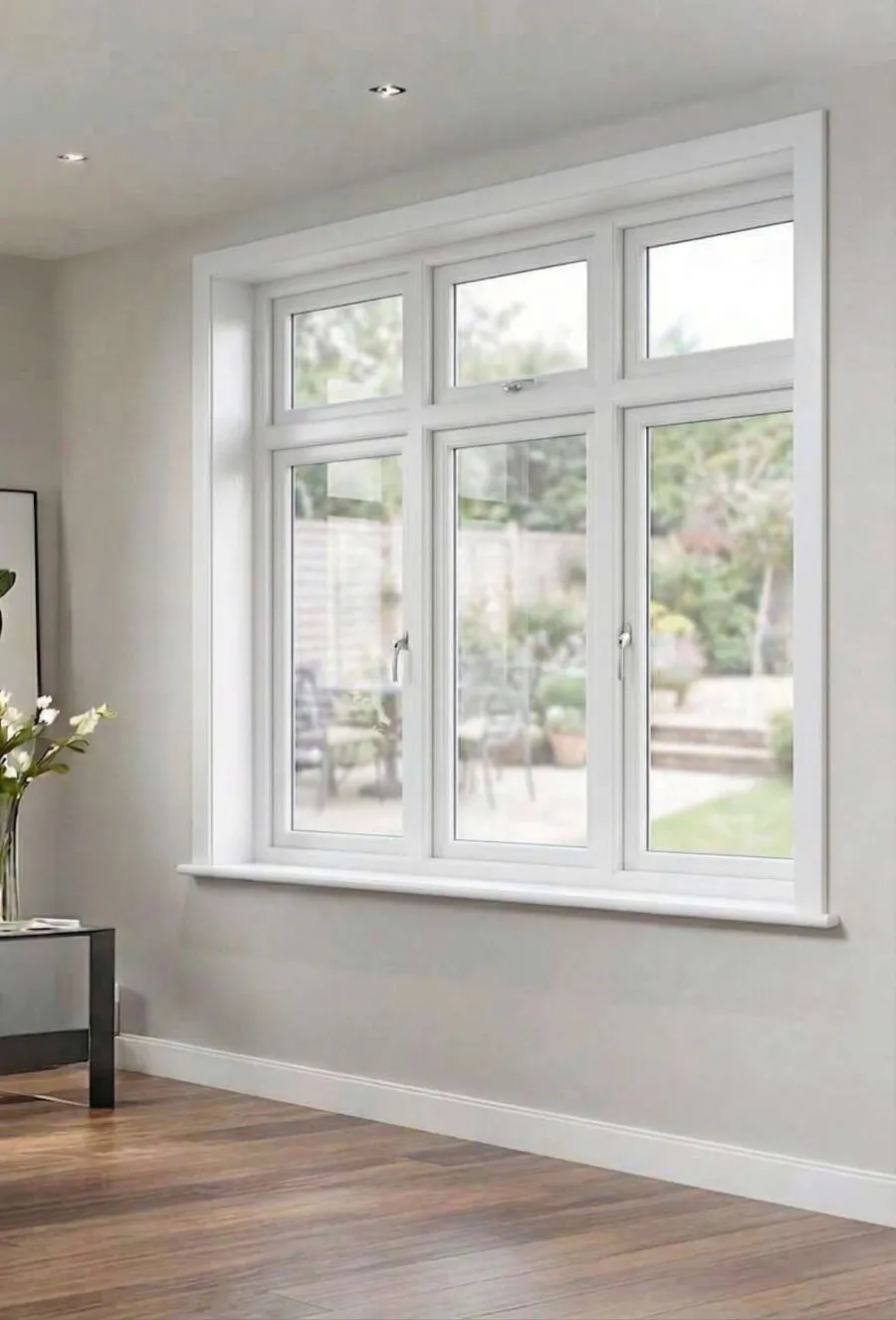
A Top Hung Upvc Windows unit is hinged along the top edge and opens outward, keeping rain out even when left ajar, which makes it a practical choice above a kitchen sink or a high bathroom wall. An awning window uses a similar top-hinged idea but is usually a smaller, standalone unit rather than a full-size window; it is described here as general information since it sits outside our current product range.
Bay Windows and Bow Windows
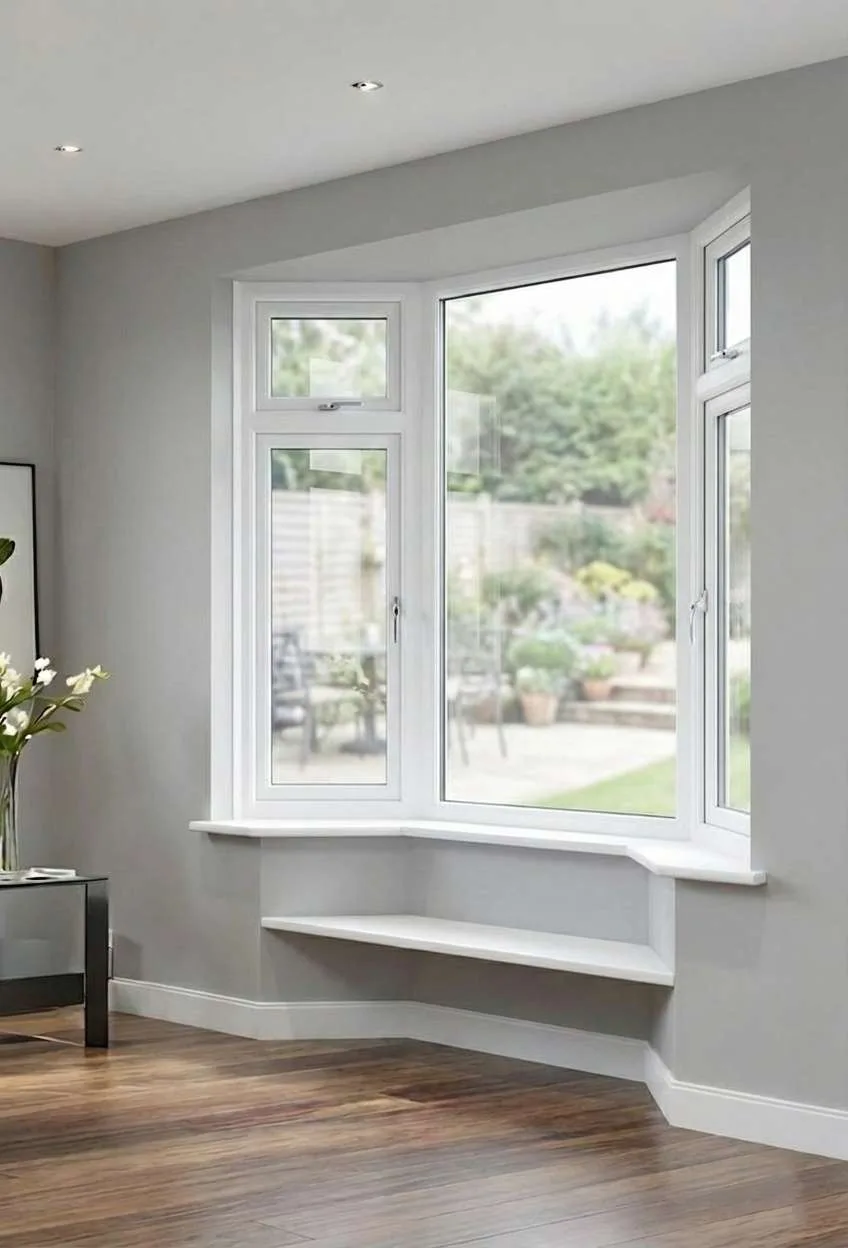
A Upvc Bay Windows unit projects outward from the wall in angled flat panels, adding floor space and a wider view from inside, and it is a design our team manufactures and fits to size. A bow window uses the same idea of projecting outward but with several narrower panels set in a gentle curve rather than sharp angles; it is covered here as general information rather than as a current Stay Bright product.
Other Window Styles You May Come Across: Hopper and Transom Windows
A hopper window is hinged at the bottom and opens inward from the top, a mechanism sometimes used in basements or small bathrooms where an outward-opening sash is not practical; this is general information, not a current Stay Bright product. A transom window sits above a door or another window, either fixed or openable, bringing extra light into a hallway or entrance without adding a full-size window; this is also general information for anyone comparing window styles rather than a product we currently manufacture.
Doors, Rooms and Choosing the Right Window Door Style
A front door with window detailing built into the panel, or a glazed sidelight running alongside it, brings daylight into an entrance hall without weakening the door's security, and an exterior door with window detailing at a side or rear entrance works the same way. Matching that glass finish to the window styles used elsewhere on the house keeps the elevation looking planned rather than mismatched. Bathrooms and small utility rooms often do better with a top hung opening set high on the wall for privacy and ventilation without a large sash swinging into a shower or basin; our Bathroom Windows guide goes into this in more detail. Rooms facing a busy road benefit from a tightly sealed mechanism such as casement or fixed panel windows, and if outside noise is the main concern our Soundproof Windows guide covers glass and frame choices separately. For how a window's shape and grid pattern fit your home's overall look rather than how it opens, see our Window Designs for Home guide.
Frequently Asked Questions
What is the difference between a side hung window and a top hung window?
A side hung window, such as a casement, is hinged along one vertical edge and swings outward like a door. A top hung window is hinged along the horizontal top edge and swings outward from the bottom, which lets it stay open a little even in light rain since the top stays covered.
Can I install an awning or hopper window with Stay Bright?
Awning and hopper windows are described in this guide as general information because they are not currently part of our product range. Our top hung, casement, fixed and tilt and turn windows cover similar ventilation needs, and our team can suggest the closest match once they understand the opening you have.
What is a double casement window?
A double casement window is two casement sashes set side by side within one frame, each opening independently on its own side hinges. It suits a wide opening where a single large sash would be heavy to operate, while still giving full opening width for airflow when both sides are open.
Is a bow window the same as a bay window?
No. A bay window uses flat panels set at angles to project outward from the wall, while a bow window uses several narrower panels curved gently outward. Stay Bright currently manufactures bay windows to size, while the bow window is included in this guide as general information only.
Which window door type is easiest to clean from inside?
A tilt and turn window is generally easiest, since the sash can be turned fully inward on its side hinges to bring the outer glass within reach. Casement and top hung windows also open wide enough for the outer surface to be wiped from indoors on most standard sizes.
What is a transom window used for?
A transom window is a smaller panel set above a door or another window, mainly used to bring extra daylight into a hallway, stairwell or entrance area. It can be fixed glass or an openable sash, and this guide covers it as general information rather than as a product Stay Bright currently supplies.
Which window style gives the most ventilation for its size?
A casement or top hung window generally gives the most airflow for its size, since the whole sash swings open rather than only half sliding aside. A tilt and turn window adds a second, gentler tilt mode for background ventilation when a full opening is not needed.
Ready for an exact price?
Send us your opening sizes and requirements. We will suggest the right system and share a clear quotation.