In This Guide 8 sections
- What Does uPVC Stand For and How Is It Different From PVC?
- Why uPVC Is Used for Windows and Doors
- Where You Will See pvc doors Around the Home
- uPVC Doors and Windows in Bathrooms and Wet Areas
- uPVC vs Plain PVC vs Wood vs Aluminium
- Colours, Glass and Hardware Choices
- Getting the Right uPVC Windows and Doors for Your Home
- Frequently Asked Questions
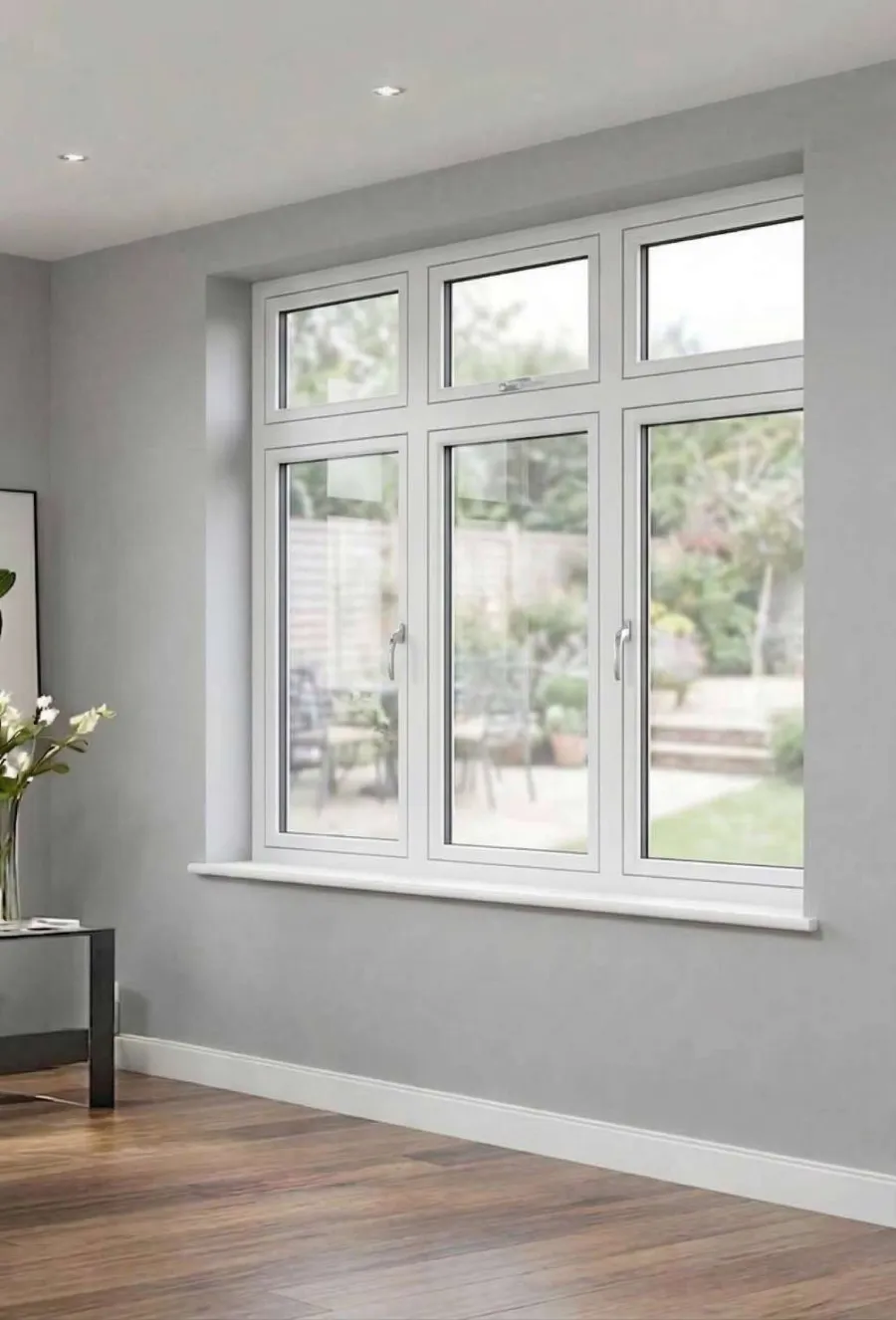
uPVC stands for unplasticized polyvinyl chloride, a rigid, weather-resistant plastic used to make pvc doors and windows that do not need painting or varnishing. Unlike softer PVC pipes or fittings, uPVC used in doors and windows is reinforced and multi-chambered for strength, which is why Stay Bright manufactures and installs both uPVC and aluminium doors and windows across Delhi NCR.
What Does uPVC Stand For and How Is It Different From PVC?
uPVC stands for unplasticized polyvinyl chloride. Ordinary PVC can be softened with plasticizers to make flexible products such as pipes, cables and flooring, while uPVC leaves out those plasticizers to stay rigid and stable in sun and rain. That rigidity is exactly what a window or door frame needs: it must hold its shape for years without softening, warping or sagging under its own weight. Because uPVC does not rust like metal and does not need periodic painting like wood, it has become a common frame material for homes, offices and larger projects across India.
Why uPVC Is Used for Windows and Doors
Builders and homeowners increasingly choose plastic doors and windows over traditional wood or steel because the material resists moisture, does not attract termites, and keeps its colour and shape with very little maintenance. The multi-chamber profile inside a uPVC frame also traps air, which helps with insulation and sound compared to a thin single-wall section. Because the frame is welded rather than joined with nails or screws at the corners, it forms a strong, weather-sealed unit that holds glass and hardware securely for a long service life. Since the corners are fused rather than screwed together, there are no exposed metal fasteners to work loose or rust over time, which also keeps the sash sitting square inside the frame as the building settles.
Where You Will See pvc doors Around the Home
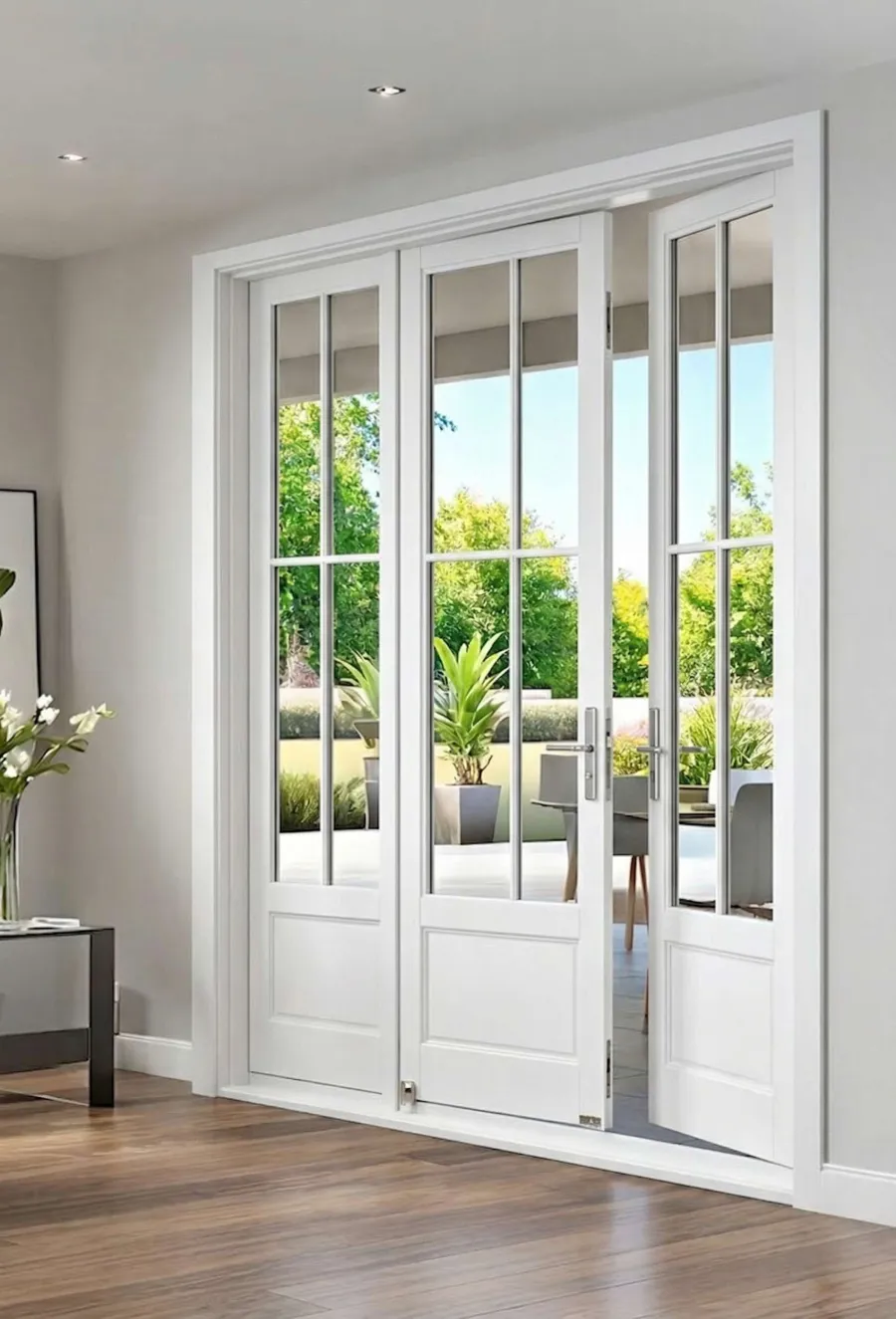
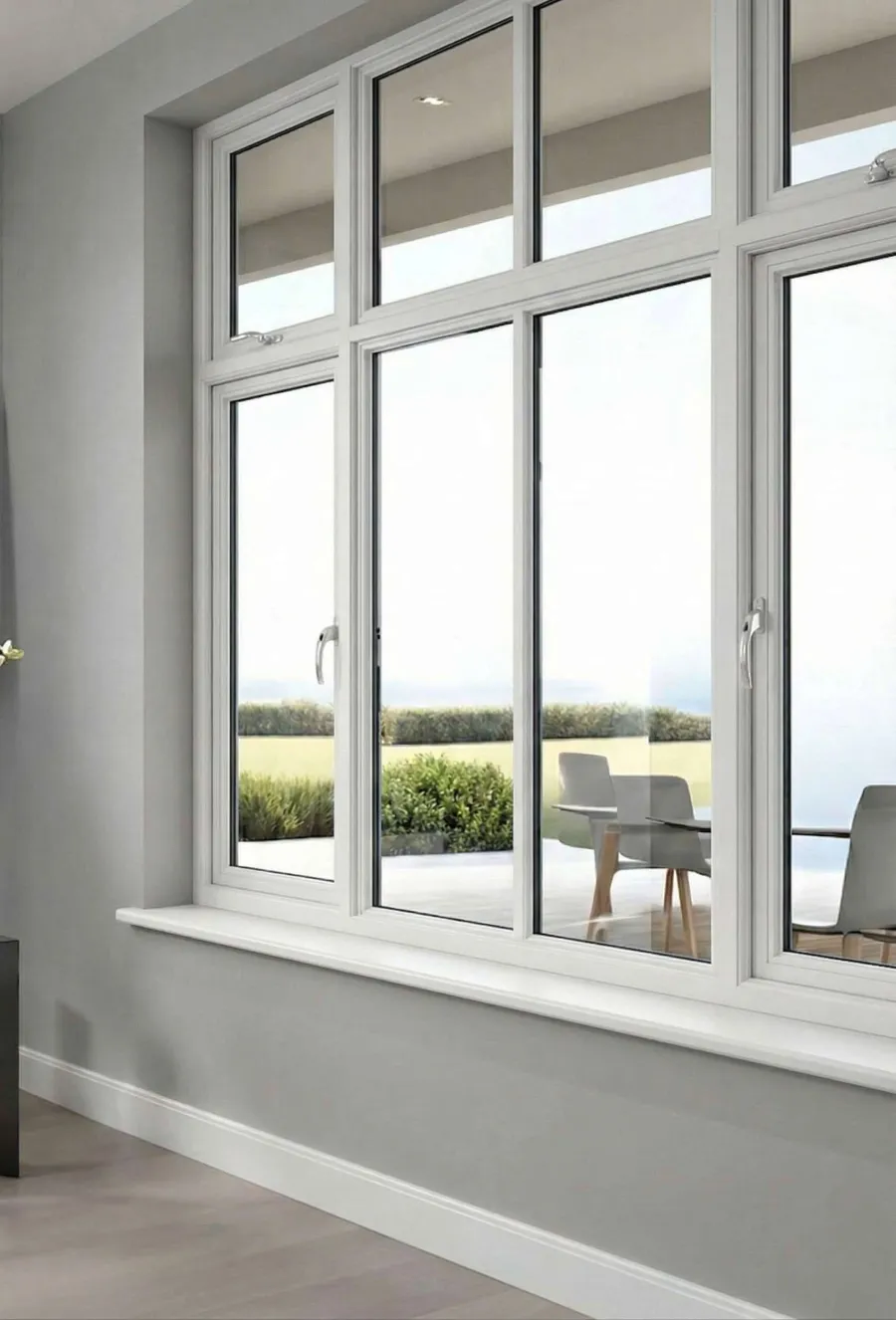
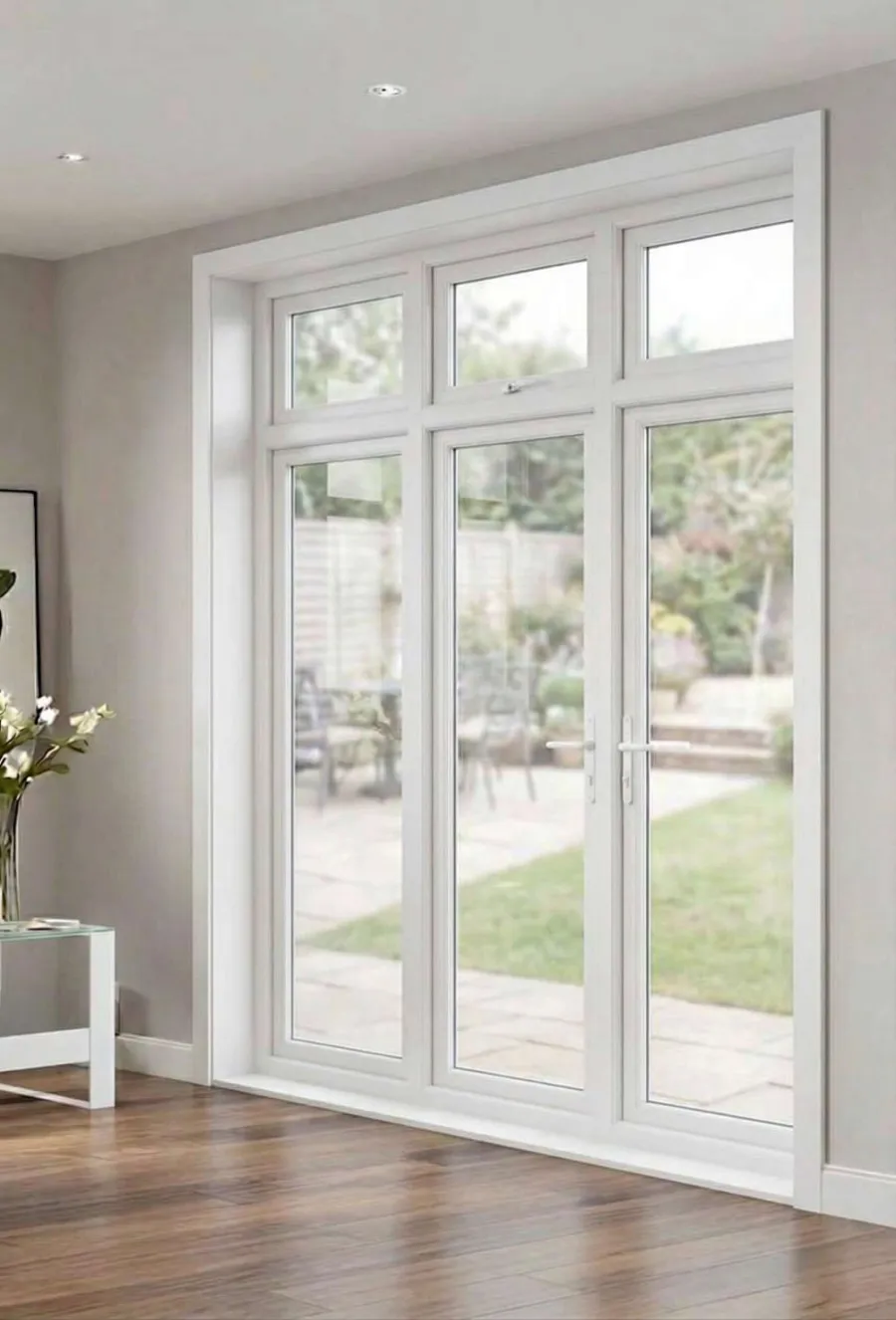
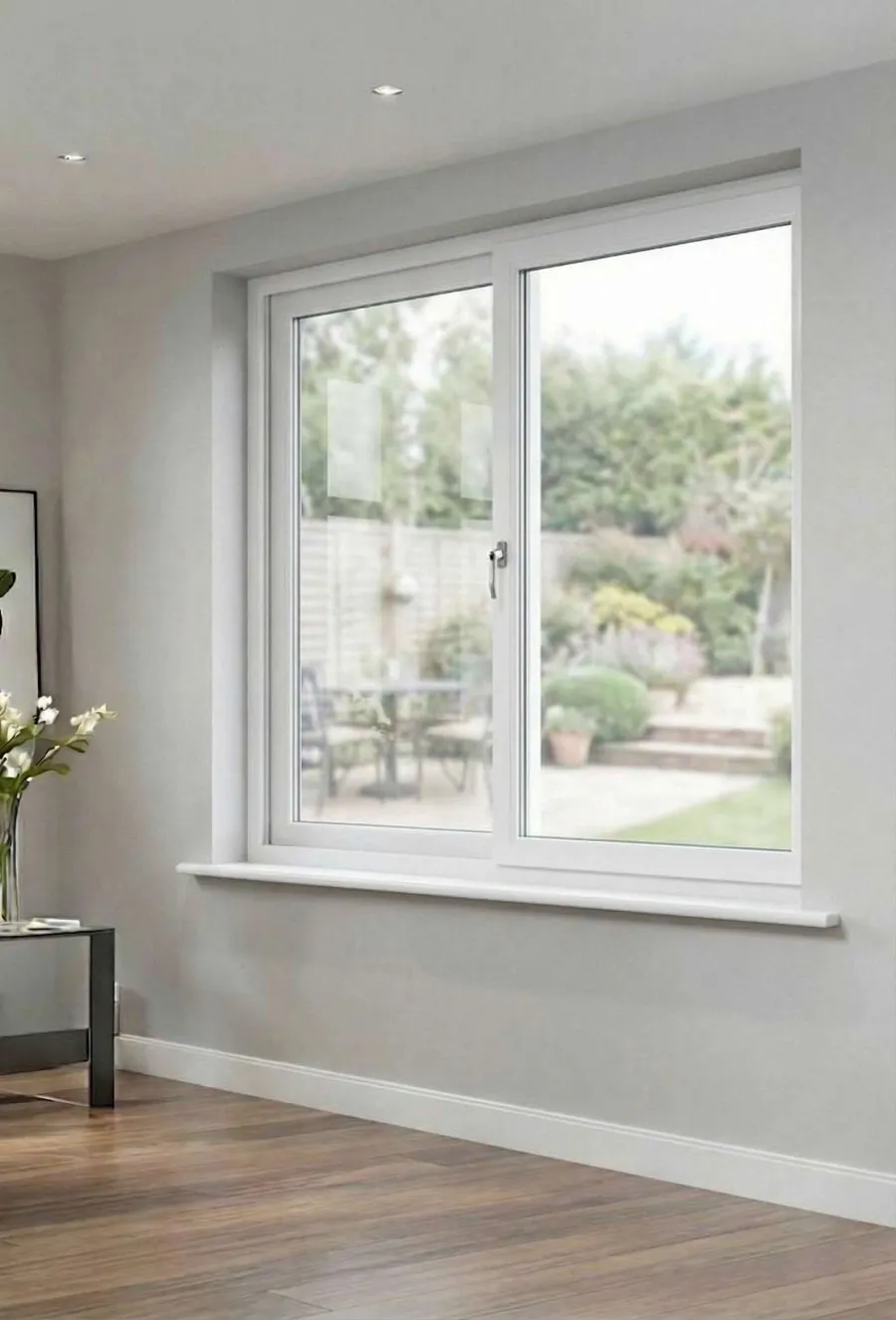
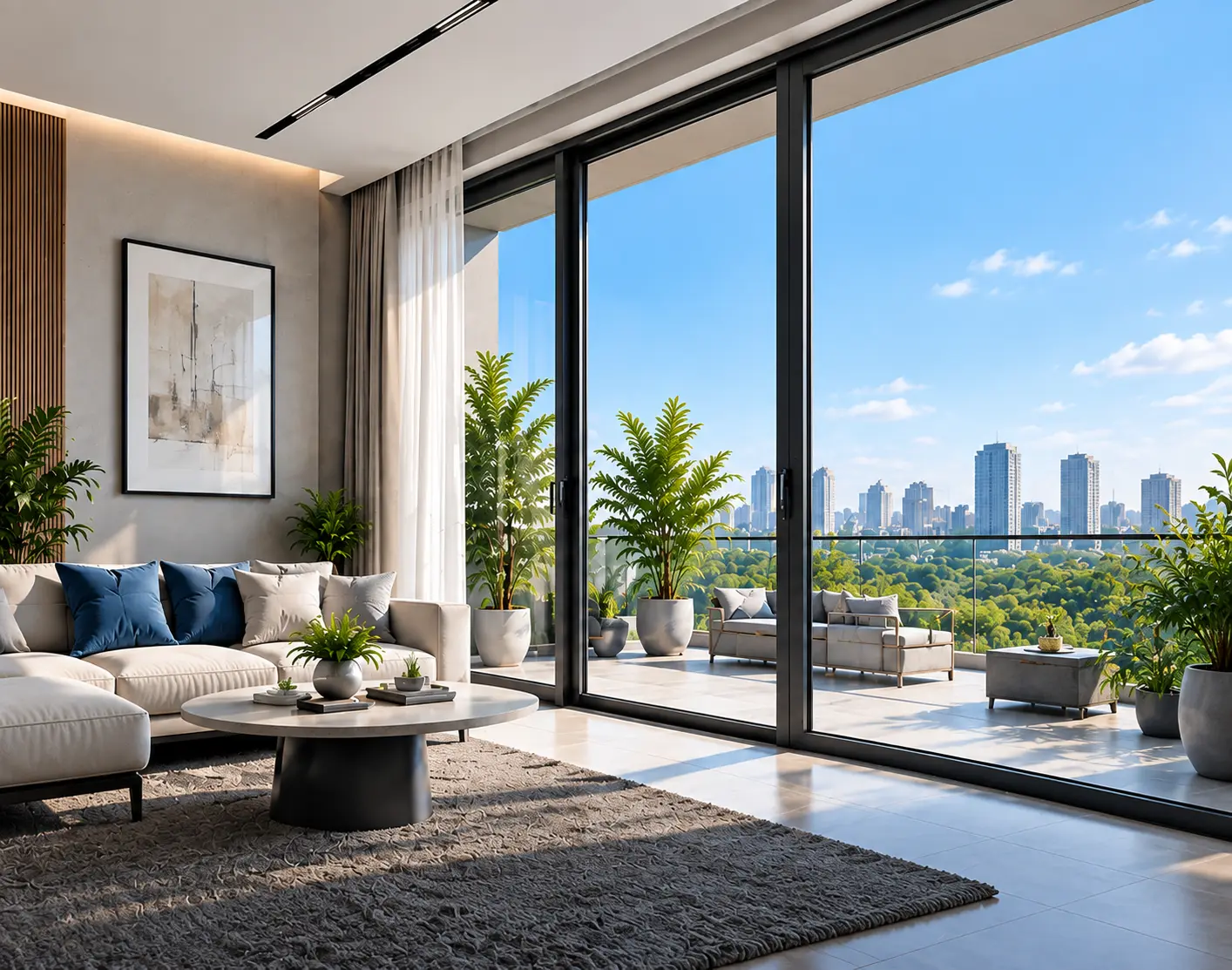
pvc doors appear in several forms depending on where they are used. A pvc glass door, sometimes described as a pvc door with glass, combines a uPVC frame with a glazed panel to bring in light while still sealing the opening, and is a common choice for balconies and utility entries. Larger openings often use pvc double doors, where two shutters meet at the centre instead of one wide single panel, which can suit a living room or terrace entrance. Some homes even choose a uPVC frame for the pvc main door itself, valuing its resistance to weather over a painted wooden door, though many buyers still prefer wood for the main entrance and uPVC for internal or balcony doors. On the window pvc side, the same profile family is shaped into openable, casement, sliding and fixed sashes rather than doors.
uPVC Doors and Windows in Bathrooms and Wet Areas
Bathrooms and utility areas see constant moisture, splashing and humidity, conditions where painted wood can swell or peel over time. Because uPVC does not absorb water the way timber does, it is often recommended for bathroom doors and windows in Indian homes. If you are choosing a door specifically for a bathroom or toilet, our separate best door material for bathrooms guide compares uPVC against other options in more detail.
uPVC vs Plain PVC vs Wood vs Aluminium
The table below sets out how uPVC compares with plain PVC, wood and aluminium at a glance, without quoting any figures for cost or lifespan.
| Material | Typical Behaviour | Maintenance |
|---|---|---|
| uPVC (rigid, unplasticized) | Holds shape, does not rust, weather resistant | Wipe clean, no painting |
| Plain PVC | Softer, flexible, used in pipes and fittings | Not used for load-bearing frames |
| Wood | Warm appearance, can swell in moisture | Periodic painting or polishing |
| Aluminium | Strong, slim sightlines, does not rust | Wipe clean, occasional hardware check |
Colours, Glass and Hardware Choices
Once you have settled on uPVC as the frame material, the next decisions are colour, glass and hardware. uPVC frames are available in plain white as well as laminated shades and wood-effect finishes, covered in detail in our window and door colours and finishes guide. Glass can be plain, tinted, toughened or double glazed depending on the room, while hardware ranges from a simple handle and stay to multi-point locking on doors. Explore our uPVC window, uPVC doors, uPVC glass doors and uPVC sliding window ranges to see the styles available before making a choice.
Getting the Right uPVC Windows and Doors for Your Home
Because uPVC comes in different profile series, chamber counts and hardware combinations, the right specification for a compact flat is not the same as for a large independent house or an office. Stay Bright's team visits your site, discusses which doors and windows suit each room, and manufactures every unit to size rather than offering only standard dimensions. If cost is part of your decision, our uPVC windows and doors price guide explains what typically drives the price up or down before you request a quote. Whether you already know the exact style you want or are still comparing materials for a new build or renovation, sharing your floor plan with our team is the quickest way to get accurate, room-by-room guidance.
Frequently Asked Questions
Is uPVC the same as PVC?
Not exactly. uPVC leaves out the plasticizers used to soften ordinary PVC, so it stays rigid and stable in sunlight and rain, which is why it is chosen for window and door frames rather than flexible products like pipes.
Are pvc doors suitable for a main entrance?
They can be, especially for balconies, utility areas and internal rooms, though many homeowners still prefer wood or a heavier design for the main entrance. A uPVC frame performs well wherever weather resistance and low maintenance matter more than a traditional look.
Does uPVC fade or discolour over time?
Quality uPVC profile is designed to resist fading from sun exposure far better than ordinary paint on wood or metal, though very dark colours can absorb more heat than white. Regular wiping keeps the surface looking clean without any special treatment.
Can uPVC doors and windows be used in bathrooms?
Yes, uPVC is a common choice for bathrooms and toilets because it does not absorb moisture the way timber can. See our best door material for bathrooms guide for a full comparison of options for wet areas.
What is the difference between a pvc glass door and a pvc double doors setup?
A pvc glass door usually refers to a single shutter with a glazed panel for light, while pvc double doors describes two shutters meeting at the centre of a wider opening. Both use the same uPVC frame technology, arranged differently for the size of the opening.
Do you manufacture uPVC windows and doors to size?
Yes, every uPVC window and door from Stay Bright is measured and manufactured for your specific opening rather than picked from a fixed range of sizes, so the fit and seal are correct on installation day.
Ready for an exact price?
Send us your opening sizes and requirements. We will suggest the right system and share a clear quotation.