In This Guide 8 sections
- PVC Door for Bathroom: Why It Is a Common Choice
- Aluminium Door for Bathroom: Strength and Style
- Plastic Door for Bathroom and Toilet: Where It Fits
- Sliding, Folding and Hinged Bathroom Doors by Material
- Comparing Materials Side by Side
- Matching Material to Room Type
- Making the Final Decision
- Frequently Asked Questions
Choosing between a pvc door for bathroom use, an aluminium frame or a plain plastic panel comes down to how the material handles constant moisture, not just its price or pattern. This guide compares the common materials on durability, weight and upkeep so you can pick the right one for your bathroom or attached toilet before requesting samples.
PVC Door for Bathroom: Why It Is a Common Choice
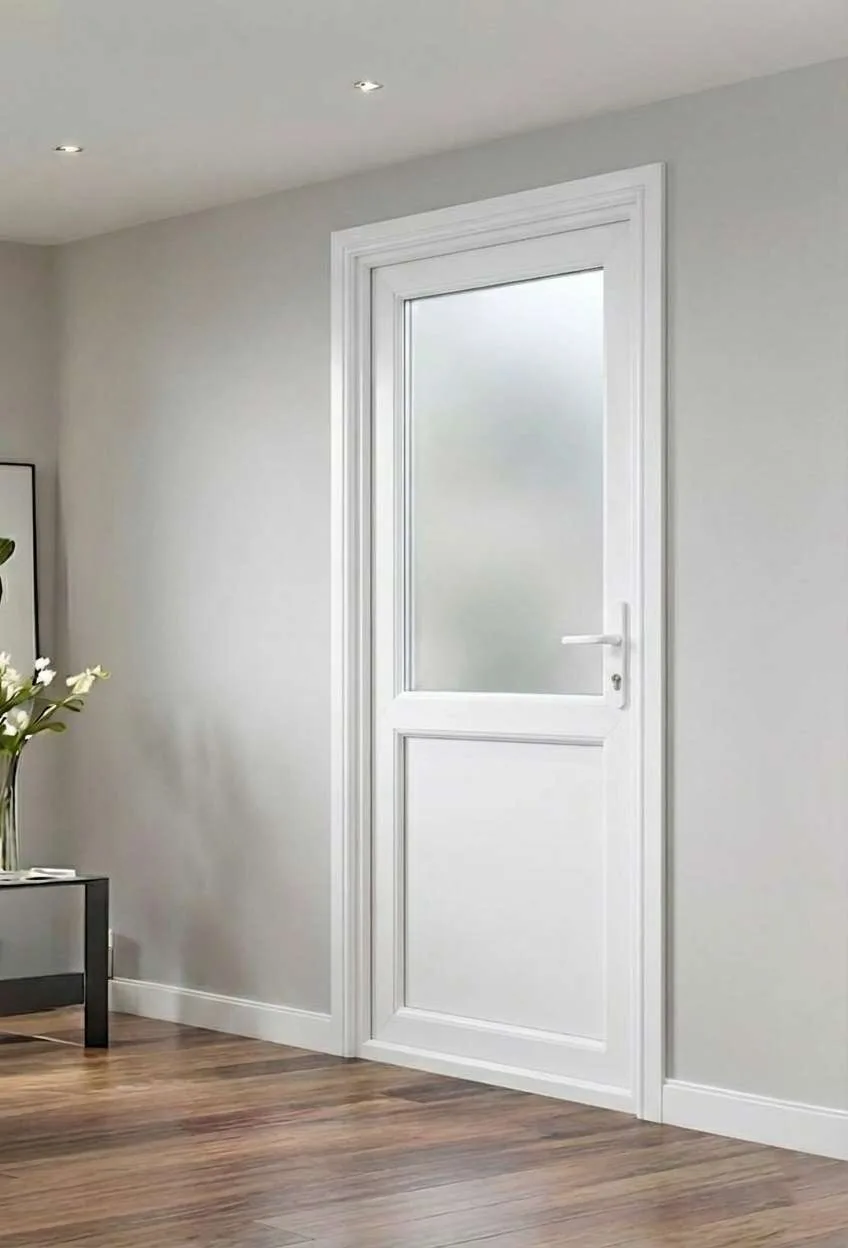
A pvc door for bathroom installation is popular mainly because the core does not absorb water the way painted timber does, so it will not swell, warp or rot along the bottom edge where splashes collect. The surface also wipes clean easily, which matters in a room that is cleaned more often than most others in the house. Because the panel is sealed rather than painted, small scratches and everyday knocks do not expose bare material underneath the way they can on a timber door.
Aluminium Door for Bathroom: Strength and Style
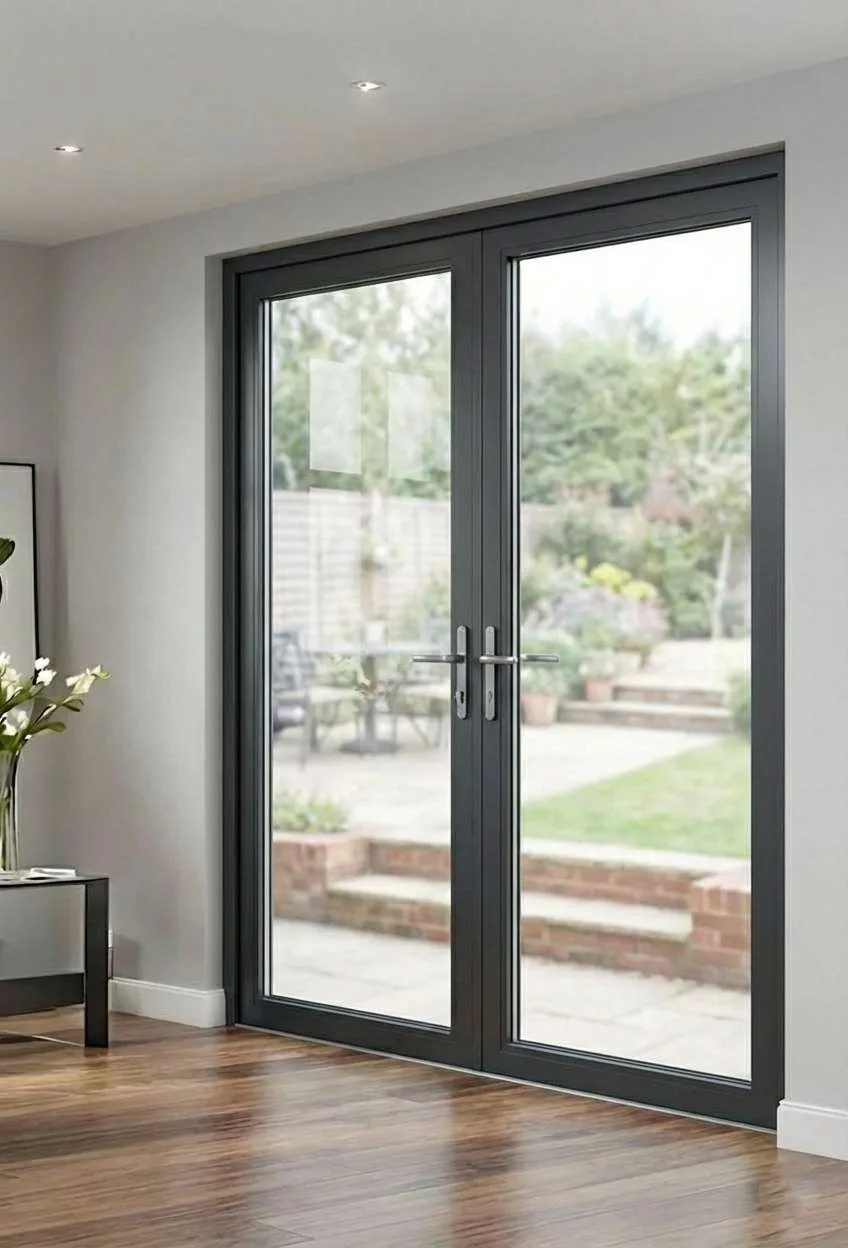
An aluminium door for bathroom use trades a little weight for a slimmer frame and a longer-lasting finish, since the metal does not rust or need repainting even after years in a humid room. It also holds larger glass panels better than a plastic frame can, which suits a bathroom where you want more daylight through the door itself. The rigidity of an aluminium frame also means a wider door stays true over time instead of dropping slightly at the latch side, which can happen with a lighter material on a larger opening.
Plastic Door for Bathroom and Toilet: Where It Fits
A plastic door for bathroom or toilet use is usually the lightest and simplest option, built from a solid or hollow PVC board rather than a metal frame. Because it has no metal parts to corrode, a plastic door for toilet spaces such as a small WC off a passage is a straightforward, low-maintenance choice, while a pvc door for toilet in a shared or commercial washroom holds up well to frequent use.
Sliding, Folding and Hinged Bathroom Doors by Material
Material also affects how a door opens. A sliding bathroom door needs a frame light enough to run smoothly on its track without sagging, which is why a plastic sliding door for bathroom or a pvc sliding door for bathroom is common in a compact ensuite, while an aluminium sliding panel suits a slightly wider opening. Where floor and wall space are both limited, pvc folding doors for bathroom use fold flat against the frame instead of sliding sideways or swinging outward, which can free up space a standard hinged or sliding panel would otherwise need.
Comparing Materials Side by Side
| Material | Weight | Moisture behaviour | Typical use |
|---|---|---|---|
| PVC / plastic | Light | Does not absorb water or swell | Family bathroom, toilet, WC |
| Aluminium | Moderate | Does not rust or corrode | Larger openings, glazed panels |
| WPC / fibre | Heavier | Dense core stays stable in damp air | Where a solid, sturdy feel is wanted |
| Toughened glass insert | Depends on frame | Unaffected by water itself | Adding daylight to any of the above |
None of these materials need special treatment to survive daily bathroom use, so the decision usually comes down to weight, look and how the door needs to open.
Matching Material to Room Type
A family bathroom used several times a day benefits from a durable, easy-clean surface, which points toward PVC, WPC or aluminium rather than a painted finish. A guest cloakroom or a small attached toilet can often use a lighter plastic panel since it sees less frequent use and rarely needs a wide opening.
In a commercial or shared washroom, aluminium framing with a toughened glass or louvred insert tends to handle repeated use better than a plain plastic panel alone, simply because it sees more traffic across a working day than a single household bathroom does. Hardware choice follows the same pattern: a heavier-duty handle and hinge set suits a busy shared washroom, while a simple knob and standard hinges are enough for a single home bathroom used by one family.
Making the Final Decision
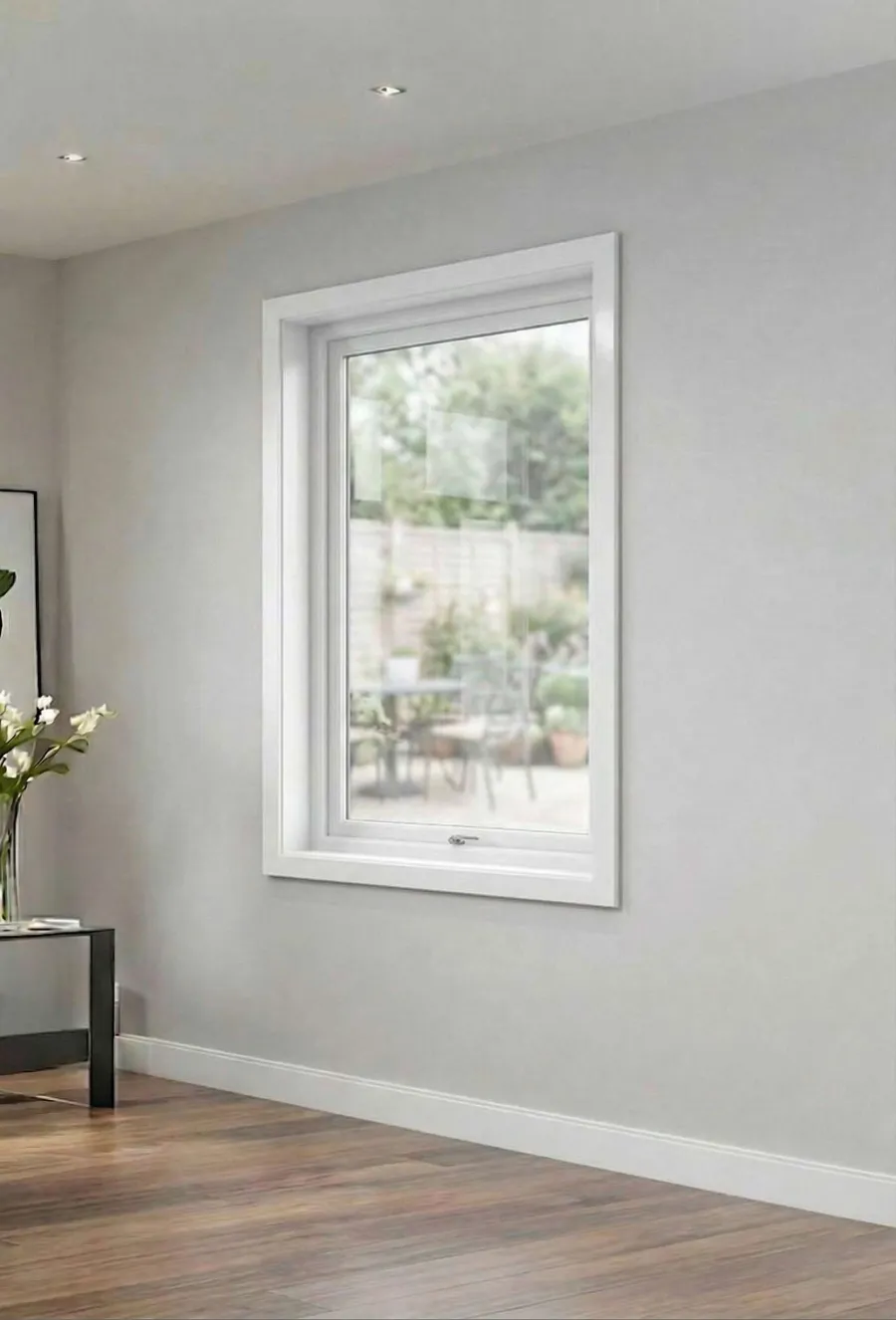
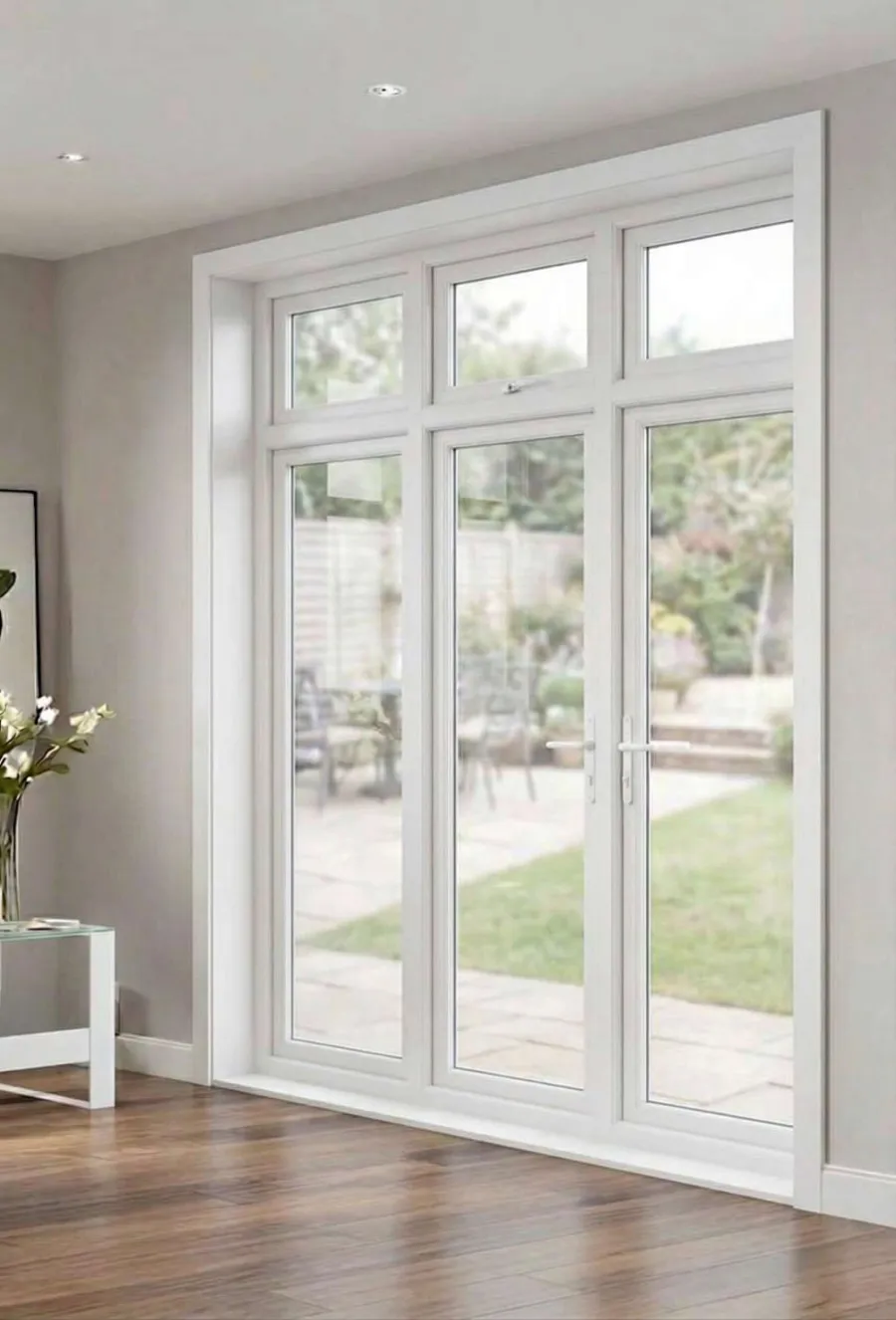
Once you know which material suits the room, the exact panel is still made to your opening size rather than picked from a fixed range. Compare a uPVC bathroom door against an aluminium door, or add glass with a uPVC glass door or a fixed uPVC panel where an opening sash is not needed.
For a closer look at panel styles and finishes, see bathroom door designs, check what drives the final cost in bathroom door price, and read what is uPVC? if you want to understand the difference between uPVC and plain PVC before choosing.
Frequently Asked Questions
Which material lasts longest for a bathroom door?
PVC, WPC and aluminium all resist moisture well and outlast a painted timber panel in a bathroom, since none of them absorb water through the core. The choice between them usually comes down to weight, frame width and how the door needs to open, rather than one material clearly outlasting the others.
Is a pvc door for bathroom use better than an aluminium one?
Both handle moisture equally well, so the difference is mostly in weight, frame width and finish. PVC panels tend to be lighter and simpler, while aluminium allows a slimmer frame and larger glass sections, which suits a bathroom where more daylight is wanted through the door.
Can a plastic door work for a toilet as well as a bathroom?
Yes, a plastic door for toilet spaces performs the same way it does in a full bathroom, since the material does not care whether the room has a bath, shower or just a WC. The main difference is usually size, as a toilet door tends to be narrower.
Are sliding bathroom doors made from the same materials as hinged ones?
Yes, a sliding bathroom door can be built from PVC, aluminium or WPC just like a hinged panel, though the frame needs to be light enough to run smoothly on its track. Folding options work the same way, using a lighter panel so the fold does not strain the hinges.
Does adding glass change which material I should choose?
Adding a glass insert usually favours aluminium or uPVC framing over a plain plastic panel, since these hold a larger glazed area more securely. A small frosted strip can still be fitted into most plastic doors if you only want a little extra light.
Can Stay Bright Windows help me decide which material suits my bathroom?
Yes, the team can talk through material options based on your room layout, door opening and how the space is used, whether you are in Delhi NCR or elsewhere under the Pan India service. Share details of your bathroom or toilet door opening to get a tailored recommendation.
Ready for an exact price?
Send us your opening sizes and requirements. We will suggest the right system and share a clear quotation.