In This Guide 9 sections
- What Decides the Right Window Design for Your Home?
- Window Designs for Modern and Contemporary Homes
- Window Designs for Traditional and Colonial-Style Homes
- Curved, Arched and Round Window Designs for a Statement Facade
- Window Designs Room by Room
- Choosing a New Window for an Existing Opening
- What Makes the Best Window Design for Everyday Use
- Matching Window Design With Colour and Doors
- Frequently Asked Questions
Choosing the right window design for home improves how each room looks and feels, from the light it lets in to how the facade reads from the street. The best approach matches window shape and size to your home's architectural style and to the room behind it, then confirms every measurement with a site visit and a free quote.
What Decides the Right Window Design for Your Home?
A window design for home works best when it responds to three things: the architectural style of the house, the job the room does, and the amount of wall available for glass. A wide living room wall can carry a run of glass or a single large opening, while a narrow bathroom wall suits one compact window. Orientation matters too, since a window facing the morning sun brings in light without much heat, while a west-facing wall may need a deeper frame or a different glass choice. Once the shape and size are agreed, our team confirms exact measurements on site before manufacturing begins, so the finished window fits the opening precisely.
Window Designs for Modern and Contemporary Homes
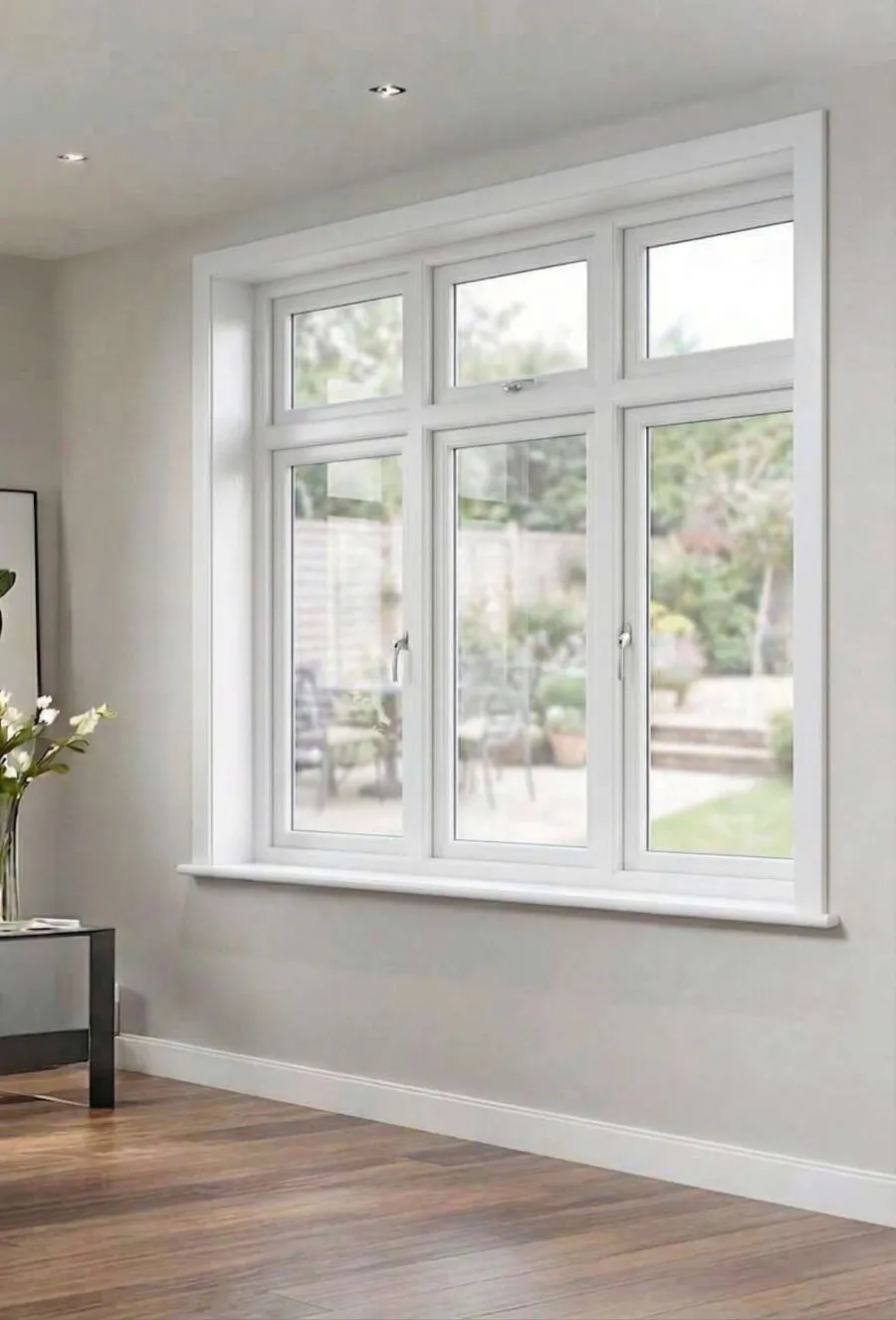
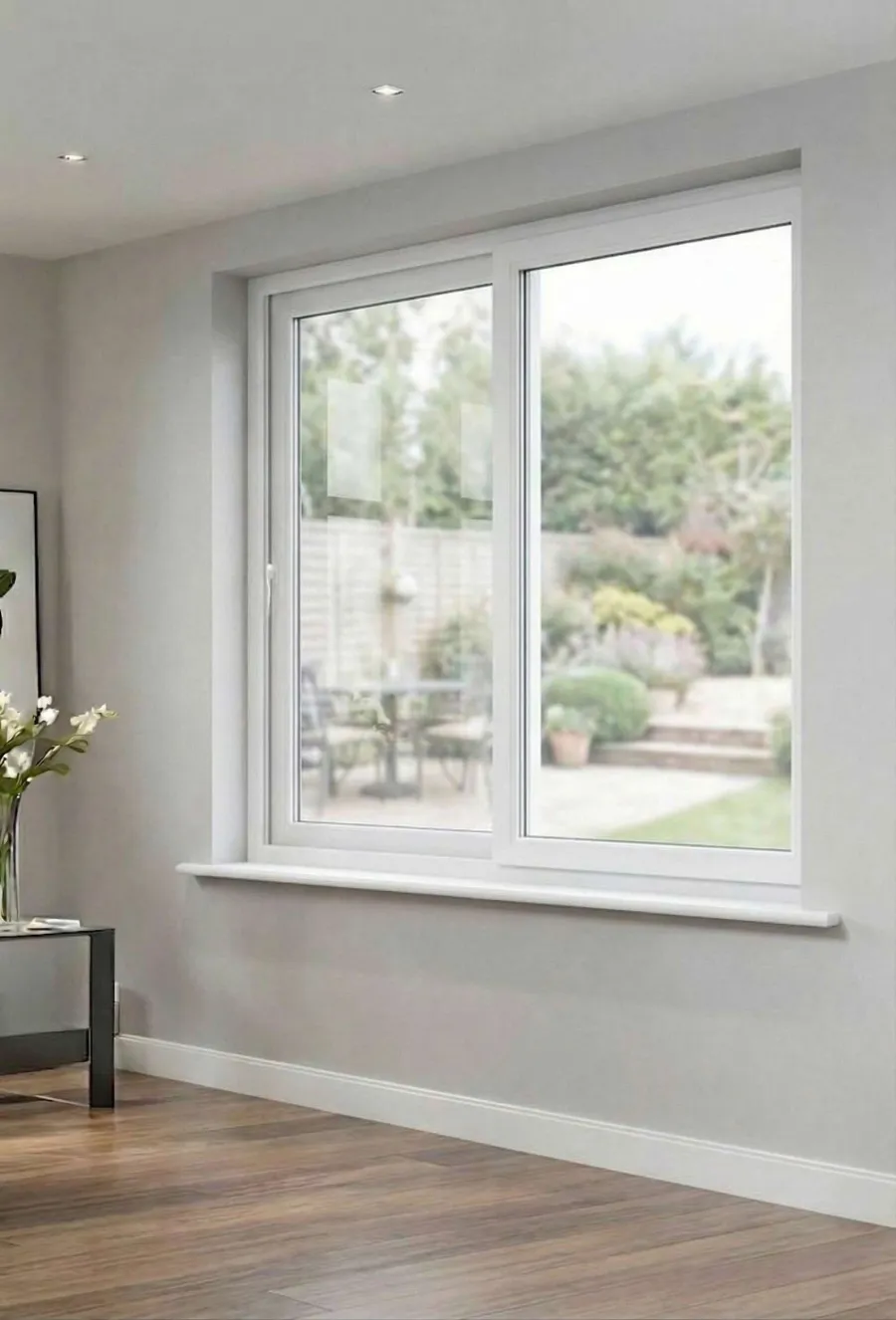
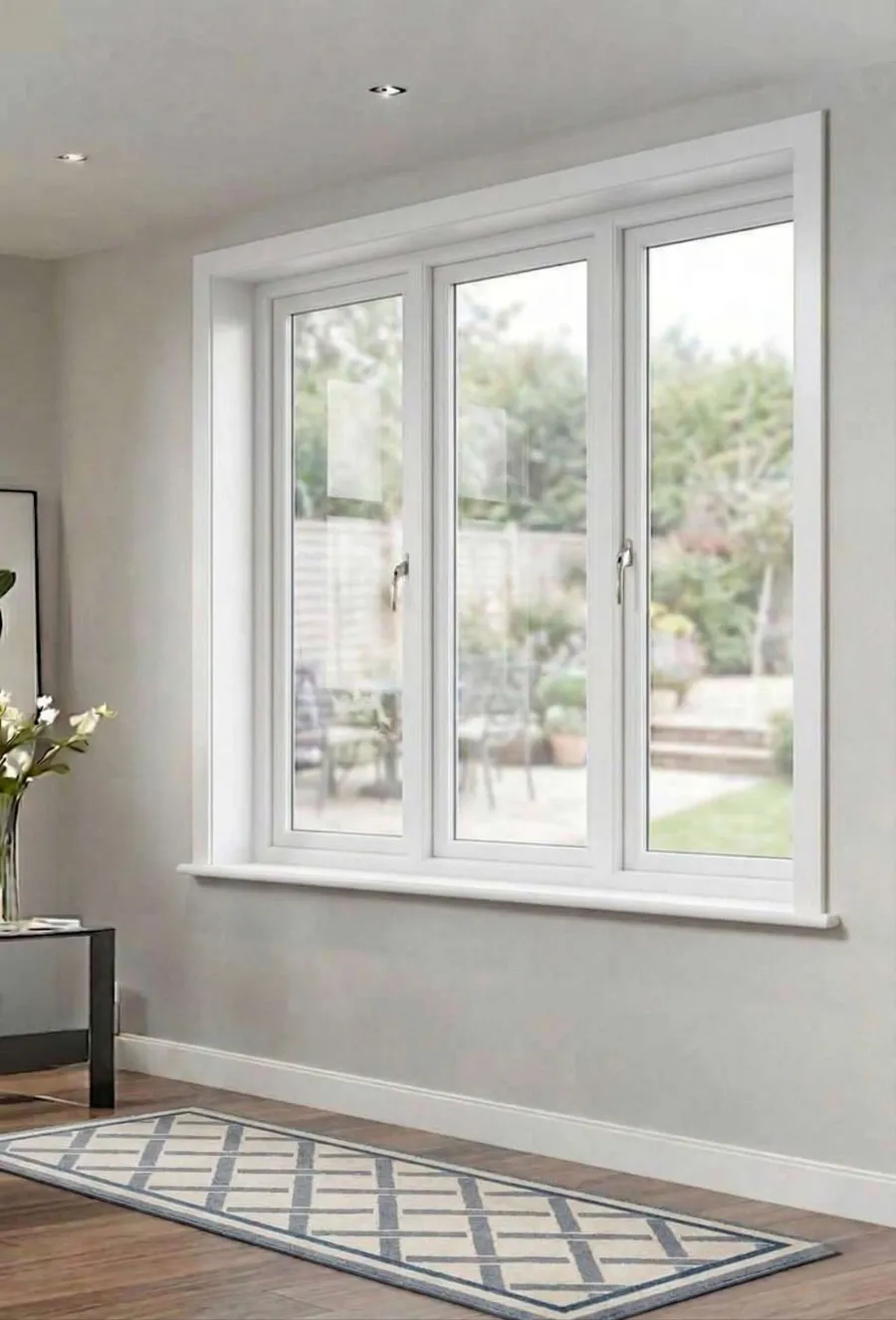
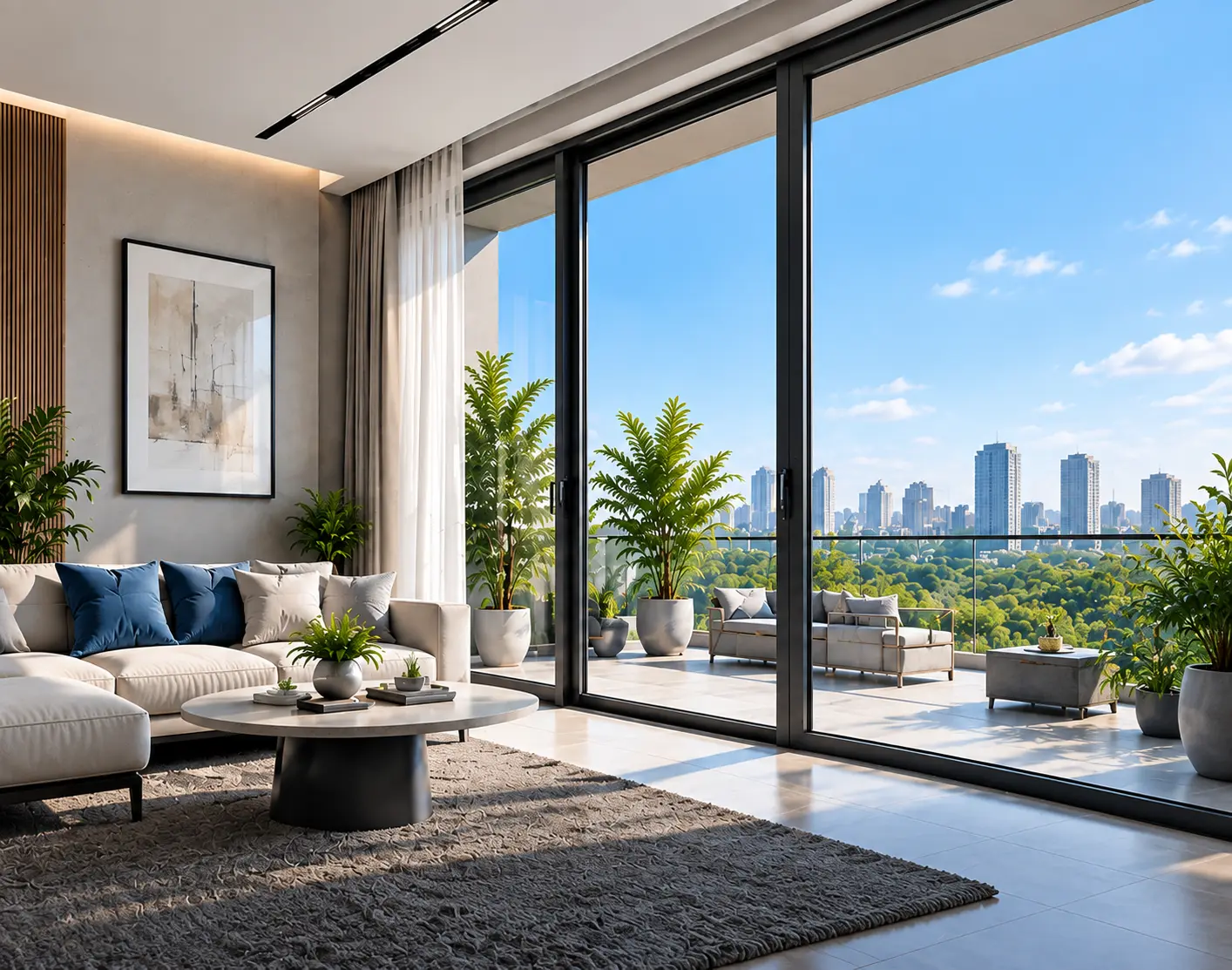
Modern homes generally favour clean lines, larger glass panels and slim frames rather than many small panes. A Sliding Window suits a wide opening in a living or dining area, while a Casement Window works well for a study or bedroom where full opening for airflow matters more than an unbroken view. Fixed glass, paired with an openable window alongside, is common on contemporary facades where the goal is a large sheet of glass with ventilation handled separately.
Window Designs for Traditional and Colonial-Style Homes
Traditional and colonial-style homes usually call for a more structured window design for home, with visible grids, symmetry between openings and sometimes an arched top. A grid pattern such as a 4x4 window, where the glass is divided into a four-by-four arrangement of smaller panes, reads as classic and pairs well with a brick or stone facade. Keeping every window on a wall to the same grid keeps the elevation consistent when viewed from the street or the garden.
Curved, Arched and Round Window Designs for a Statement Facade
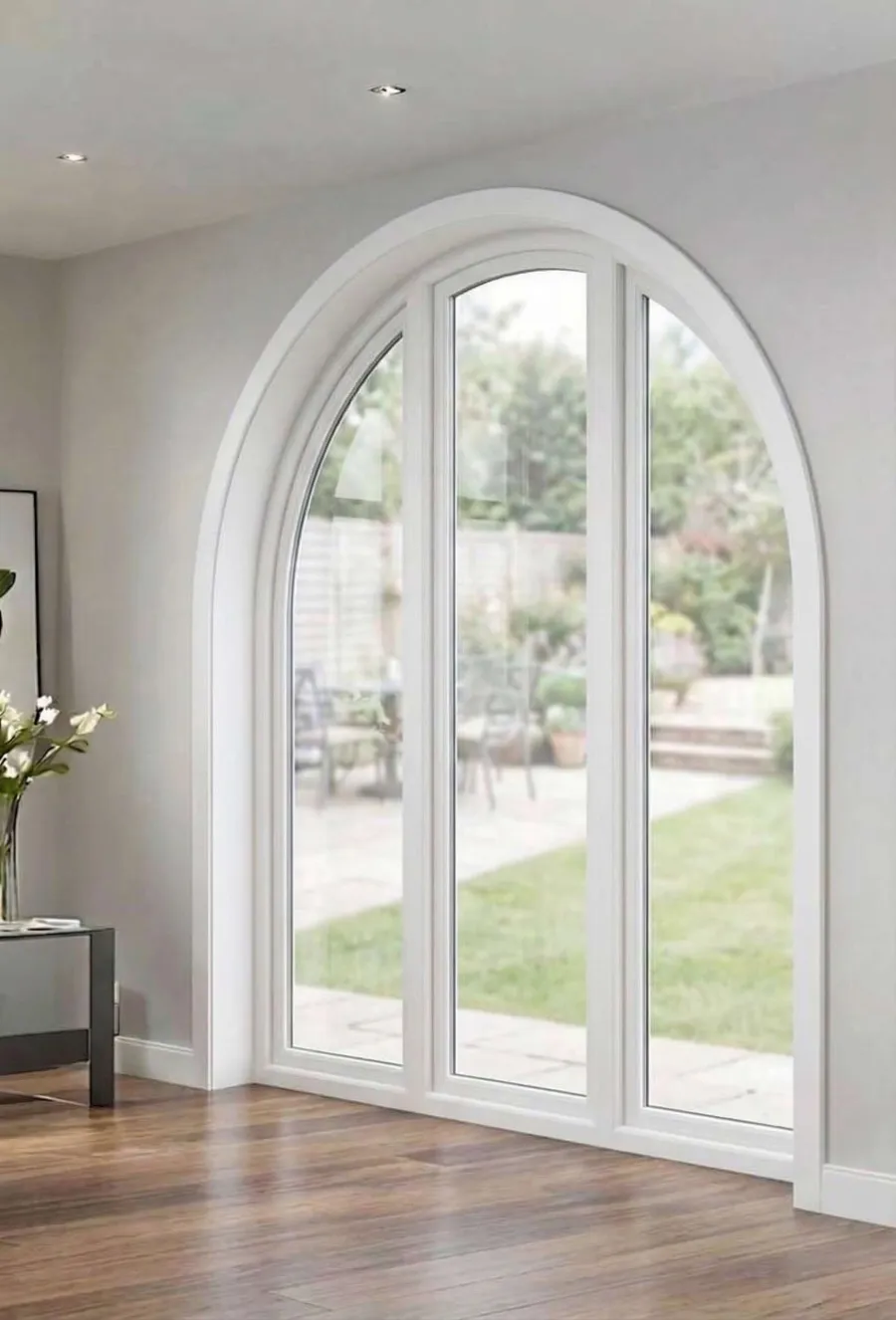
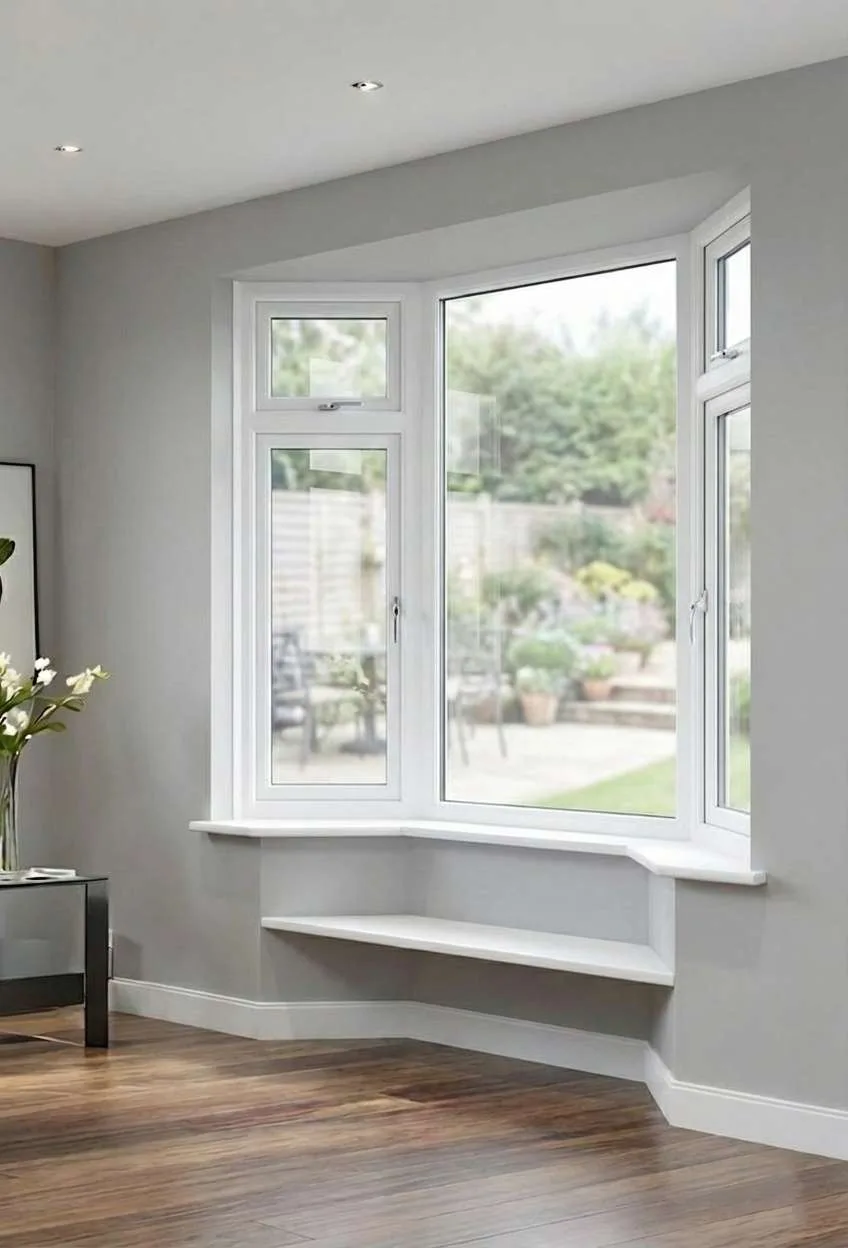
For a distinctive elevation, curved upvc windows and upvc curved windows add a soft edge to an otherwise straight facade, often used above a front door or beside a staircase landing. A round upvc window works well as a single feature on a stairwell or a double-height wall, where it draws the eye without competing with the openings around it. Our ARCH Window range covers arched and curved shapes made to the exact radius your opening needs, and a Upvc Bay Windows unit can extend a flat wall outward to create a window seat or a wider view from a living room or bedroom.
Window Designs Room by Room
Living rooms benefit from a wide sliding or fixed window that frames a view and lets in maximum light, while a bedroom often does better with a casement or tilt and turn window that can be opened fully at night for airflow. Kitchens suit a fixed pane set above the counter with a small openable section to the side for cooking smells, and a staircase or landing is a natural spot for a round or arched feature window that would look out of place elsewhere. The table below lines up common rooms with a suggested design direction.
| Room | Suggested Window Design | Product to Consider |
|---|---|---|
| Living room | Wide sliding or fixed glass for a view | Sliding Window |
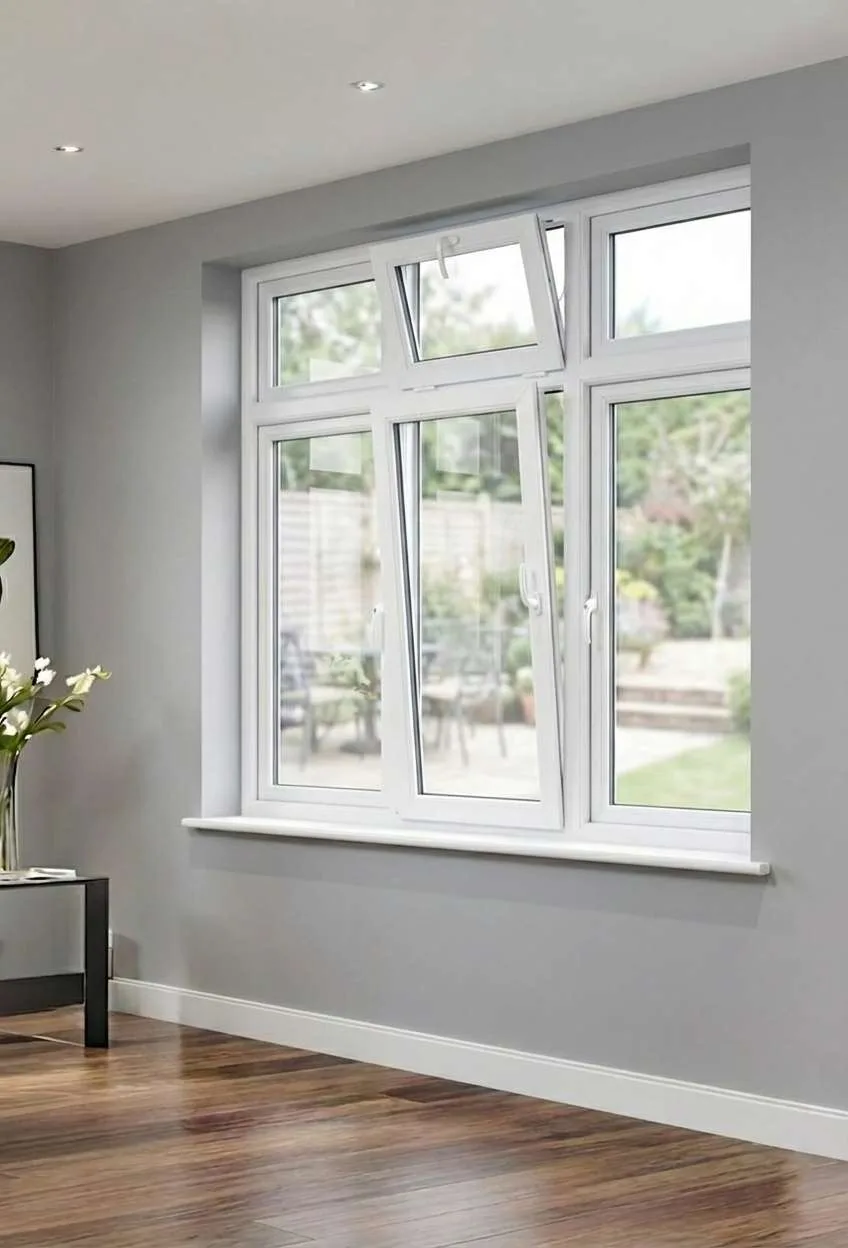
| Bedroom | Casement or tilt and turn for airflow control | Upvc Tilt and Turn Windows |
| Kitchen | Fixed pane above the counter, openable to the side | Upvc Fixed Windows |
| Staircase or landing | Round or arched feature window | ARCH Window |
| Balcony-facing wall | Bay window to extend the wall outward | Upvc Bay Windows |
Choosing a New Window for an Existing Opening
When you are replacing an old frame, a new window does not have to repeat the original shape. An old single, small pane can often become a wider fixed and openable combination once the opening is checked for structural support, and a plain rectangular gap can take on an arched or curved top if the wall above allows it. Our team visits the site to confirm what the existing opening can take before recommending a new window design, rather than assuming every wall can be changed the same way.
What Makes the Best Window Design for Everyday Use
The best window design balances looks with daily use: smooth-operating hardware, glass suited to the room's privacy and light needs, and a frame that will not warp, swell or need repainting over time. A Upvc Fixed Windows panel is a good choice where you want maximum glass with no operable sash, such as above a kitchen sink, while a Upvc Tilt and Turn Windows unit gives a bedroom two modes of opening, tilted for background airflow or fully turned inward for cleaning and stronger ventilation.
Matching Window Design With Colour and Doors
A window design for home should also work with the frame colour and with any doors on the same wall. Our Window & Door Colours and Finishes guide covers frame colour choices for both uPVC and aluminium, and if the room opens onto a balcony or garden, our uPVC French Doors & Windows guide shows how a matching door and window pair can be planned together. To understand how each window style actually opens, whether sliding, casement, tilt and turn or fixed, see our Types of Windows guide.
Frequently Asked Questions
What window design suits a small home best?
Smaller homes generally look best with fewer, larger openings rather than many small windows, since this keeps the facade simple and brings in more light per wall. A sliding or fixed window sized to the wall, paired with one feature shape such as a round upvc window near the entrance, keeps the design clean without crowding the elevation.
Can I mix window shapes on the same facade?
Yes, many homes combine a mix of rectangular, arched and round shapes, but it works best when one shape leads and the others act as accents. For example, rectangular casement or sliding windows can run across most of a wall while a single arched or round upvc window marks the entrance or staircase.
Are curved or round windows harder to live with than straight ones?
Curved upvc windows and round shapes are made to size in the same uPVC and aluminium materials as straight windows, so daily cleaning and use are similar. The main difference is at the design stage, where the exact curve or radius must be measured accurately before manufacturing.
Can an old window opening be changed to a different shape?
Sometimes. If the wall above the opening is load-bearing, changing a rectangular gap into an arched one usually needs additional support, which is why our team checks the structure on site first. A straight opening can often be widened or split into a fixed-plus-openable combination more easily than it can be curved.
Which window design lets in the most light?
A large fixed pane, or a fixed and openable combination that keeps most of the area as glass, lets in the most light for a given wall size. Sliding windows also keep a high proportion of the opening as glass compared with windows that need a thick frame around each opening sash.
Do window designs affect ventilation as well as looks?
Yes, shape and opening type both affect airflow. A wide fixed pane looks good but does not ventilate on its own, so it is usually paired with a casement, sliding or tilt and turn section nearby so the room still gets fresh air.
How do I start choosing a window design for my home?
Start by noting which rooms need more light, more privacy or more airflow, and look at your home's existing style so new windows do not clash with it. Sharing a few photos and rough measurements with our team is enough for us to suggest suitable designs and arrange a site visit for an exact quote.
Ready for an exact price?
Send us your opening sizes and requirements. We will suggest the right system and share a clear quotation.