In This Guide 9 sections
- What Makes a Window Count as Soundproof?
- Noise Proof Windows: Frame and Seal Matter as Much as Glass
- Glass Choices That Support Sound Deadening Windows
- Soundproof Glass and Acoustic Windows for Busy Roads
- Window Sound Proofing: Installation Details That Matter
- Soundproof Window Inserts vs Full Replacement
- Comparing Window Options for Noise Control
- Choosing the Right Window Style for Noise Cancelling Windows
- Frequently Asked Questions
Soundproof windows are uPVC or aluminium windows built with airtight multi-chamber frames, compression seals and thicker glazing that together reduce how much outside noise reaches a room. This guide explains what actually cuts noise, the frame and seal choices that matter most, and how Stay Bright Windows fits soundproof windows to size across Delhi NCR.
What Makes a Window Count as Soundproof?
No window blocks every sound, but a window built for sound insulation for windows combines a deep multi-chamber frame, gaskets that press shut on every edge, and a sash that does not rattle in the wind. Ordinary single-pane windows with a loose fit let far more traffic and construction noise through than a sealed uPVC frame with a tight-closing sash, simply because gaps and thin glass are the main paths sound travels through.
Noise Proof Windows: Frame and Seal Matter as Much as Glass
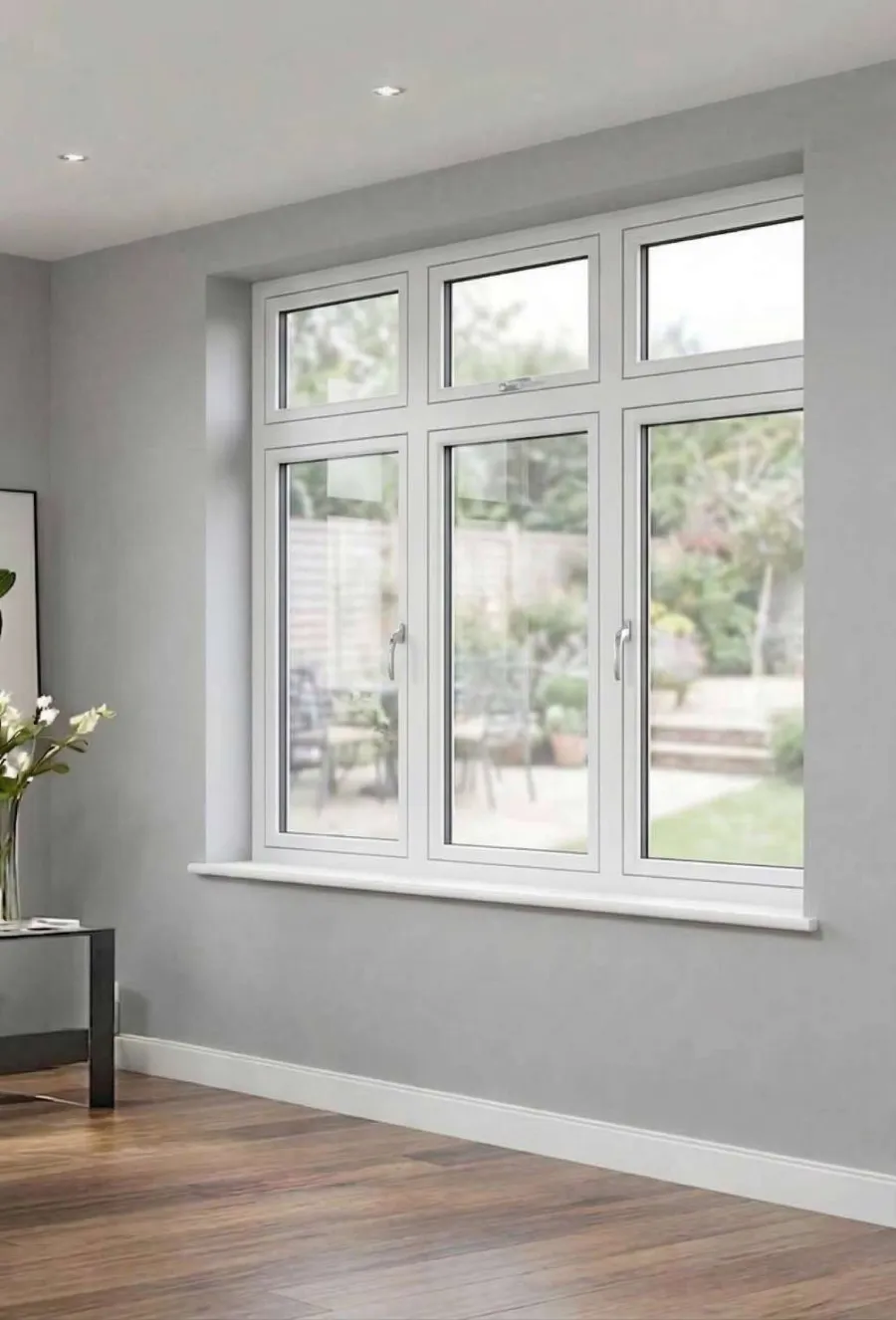
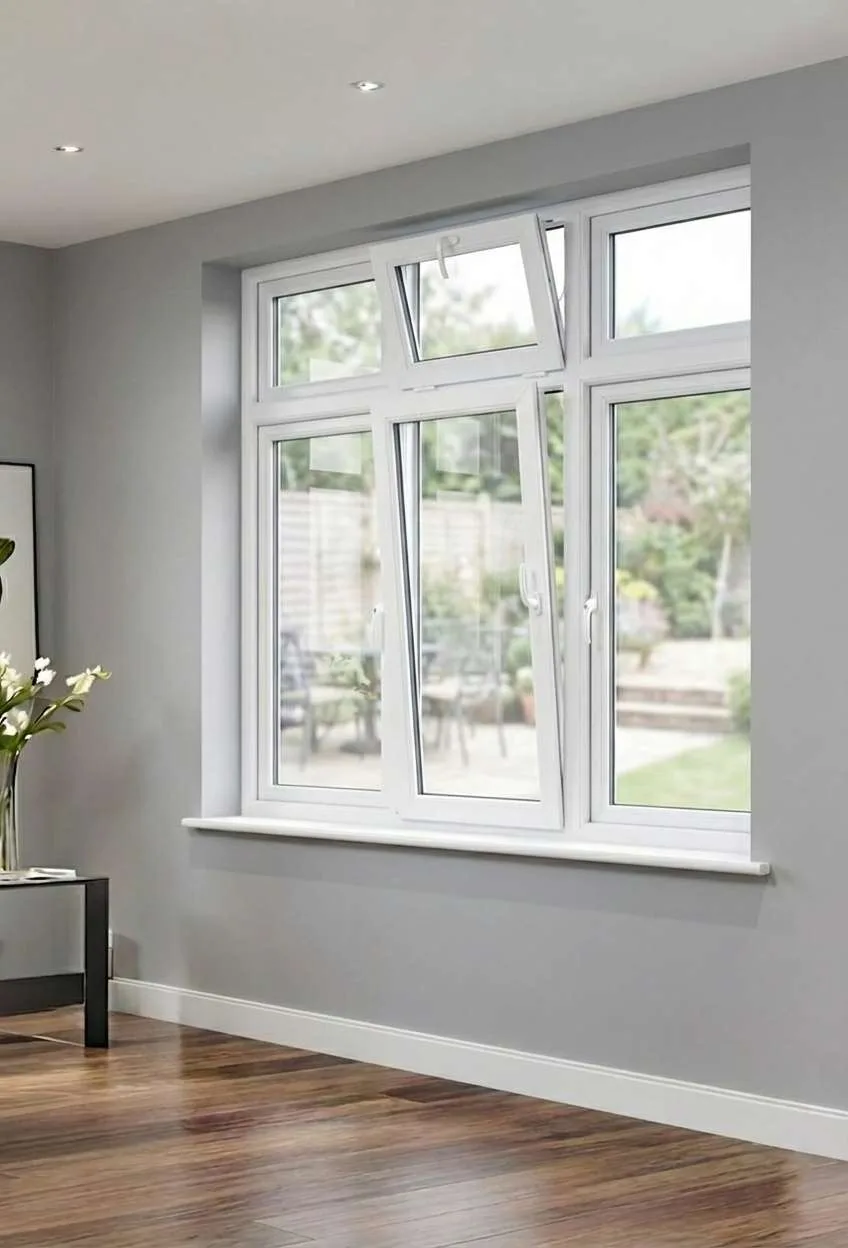
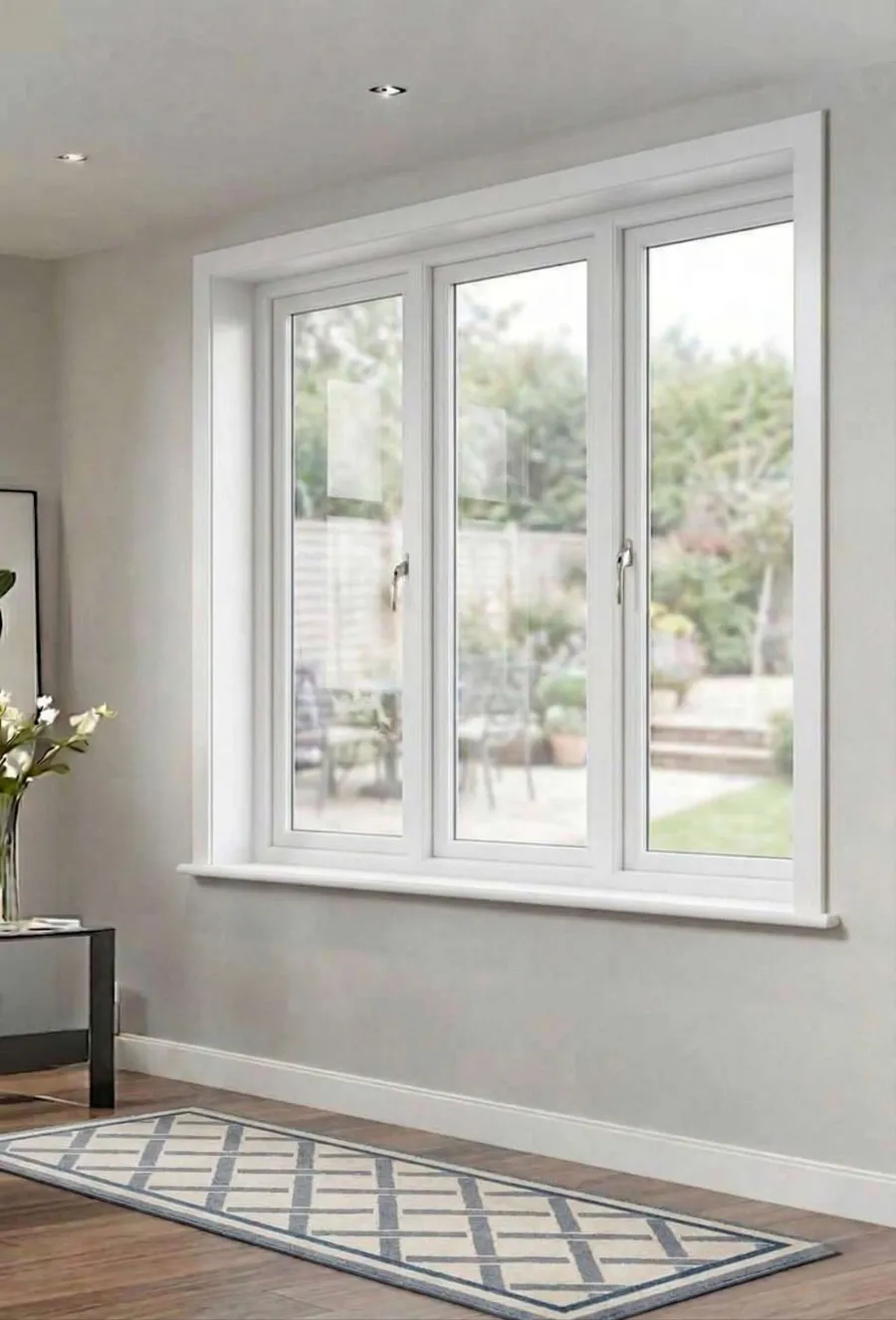
Noise proof windows rely on the frame closing completely flush against the wall opening, with rubber or silicone gaskets running the full perimeter of the sash. A frame that has warped, or a seal that has hardened and cracked, will let noise leak through no matter how good the glass is. This is why sound resistant windows are usually a tilt and turn or casement design rather than a loose-fitting sliding pane, since a swing sash presses shut against the seal instead of just running along a track.
Why Sliding Windows Can Still Work
A well-built sliding window can still act as a sound dampening windows option if the sash locks down tight and the track has brush seals along its length, though a casement or tilt and turn sash generally seals more evenly on all four sides.
Glass Choices That Support Sound Deadening Windows
Glass thickness and construction play a real role in sound deadening windows. Laminated glass, which sandwiches a plastic interlayer between two glass panes, dampens vibration better than a single sheet of ordinary glass of the same overall thickness, and double glazing traps a sealed air gap between two panes that also helps interrupt sound transfer. For more detail on the glass side of the equation, see our guide on glass for windows: toughened, low-e and double glazed options, since soundproofing and glazing choices overlap but are not the same thing.
Soundproof Glass and Acoustic Windows for Busy Roads
Homes facing a main road or a flyover benefit most from soundproof glass paired with a fully sealed frame, since the combination reduces both the vibration transmitted through the glass and the air gaps around the sash. Acoustic windows built this way are also fitted with door sweeps and sealed frame joints, because noise entering around the edges of a window can undo much of the benefit of upgraded glass. Soundproof windows for home use in Delhi NCR are most effective in bedrooms and study rooms that face a road, rather than across an entire flat. A sound proof home windows upgrade is usually worth prioritising for the rooms where family members sleep or study before the rest of the home.
Window Sound Proofing: Installation Details That Matter
Window sound proofing depends heavily on how the frame is installed, not only on the product itself. Gaps between the frame and the wall must be packed and sealed properly, since an air gap at the edge of the frame lets sound bypass even the best glass. Our team checks this during installation and re-seals the perimeter so the finished sound proof windows perform as intended rather than leaking noise around the frame edge.
Soundproof Window Inserts vs Full Replacement
Soundproof window inserts are a secondary glazed panel fitted inside an existing window frame without removing the original window, which can help when a full frame replacement is not possible right away, such as in a rented flat. A full sound proof glass windows replacement, where the entire frame and sash are swapped for an airtight uPVC unit, generally performs better because the new frame itself is sealed rather than only adding a panel behind an already leaky one.
Comparing Window Options for Noise Control
The table below compares common window types purely on how they are built, without naming any decibel figures or ratings.
| Window Type | Seal Design | Best Suited To |
|---|---|---|
| uPVC casement window | Full perimeter compression seal | Bedrooms facing a road |
| uPVC tilt and turn window | Multi-point locking with gaskets | Rooms needing tight closure and cleaning access |
| uPVC sliding window | Track-mounted brush seals | Balconies and wide openings |
| Soundproof window insert | Secondary sealed panel | Rented homes, quick upgrades |
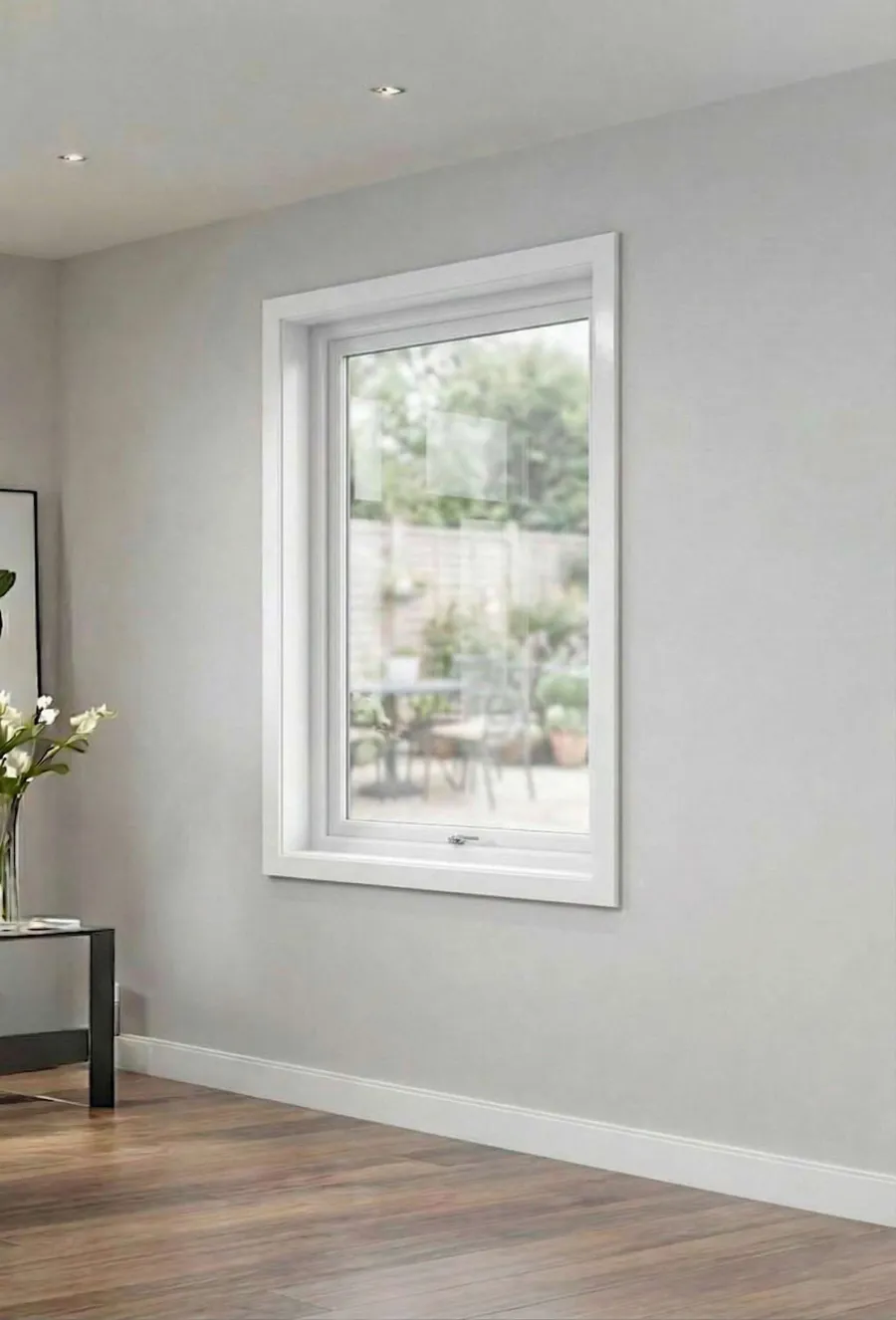
| uPVC fixed window | Fully bonded, no moving sash | Openings that never need to open |
Choosing the Right Window Style for Noise Cancelling Windows
Noise cancelling windows for home use generally means picking a sash style that seals on every side, adding laminated or double glazing, and having the frame installed and sealed correctly. Our UPVC casement windows and upvc tilt and turn windows both close with an all-round compression seal, which suits most best soundproof windows for home requirements. Where a window never needs to open, our upvc fixed windows avoid a sash gap altogether. For the glazing itself, see our UPVC glass window range, and for balconies where some ventilation is still needed, our upvc sliding window range can be specified with upgraded seals. A sound barrier for windows works best when frame, seal and glass are all addressed together rather than upgrading only one part. See our guide on types of windows for how sash styles differ, and our uPVC windows & doors price per sq ft guide for how upgraded seals and glazing are quoted.
Frequently Asked Questions
Do soundproof windows block all outside noise?
No, no window removes every sound completely, but a properly sealed frame with laminated or double glazing noticeably reduces how much traffic and street noise reaches inside compared with an old, loose-fitting window. The improvement is most noticeable for continuous background noise like traffic.
What is the soundproof windows cost based on?
Soundproof windows cost depends on the size of the opening, the sash style chosen, the type of glazing used and how many windows in the home are being upgraded. Our team shares an itemised soundproof windows price only after measuring the openings on site.
Are soundproof windows near me available for a home visit?
Yes, Stay Bright Windows is based in Uttam Nagar, New Delhi and takes soundproof windows near me requests across Delhi NCR as well as Pan India projects, so you can share your location and we will confirm a site visit. A sound proof windows near me search from any of these areas reaches the same local team.
Does double glazing alone make a window soundproof?
Double glazing helps by adding a sealed air gap between two panes, but the frame and seal design matter just as much, since gaps around a loose sash let noise through regardless of how many panes of glass are fitted.
Can existing windows be upgraded instead of replaced?
In some cases a soundproof window insert can be fitted inside the existing frame, though a full uPVC frame replacement with proper sealing generally gives a more complete and lasting result than adding a panel to an old, leaky frame.
Which rooms benefit most from window noise reduction?
Bedrooms, study rooms and any room facing a main road, flyover or busy market usually see the biggest benefit from window noise reduction, since these are the rooms where continuous outside noise is most noticeable during the day and at night.
Ready for an exact price?
Send us your opening sizes and requirements. We will suggest the right system and share a clear quotation.